

Solenopsis molesta
The nest environment explains where this ant can live and how it reaches food. Compare soil, shelter, moisture, and nearby vegetation before treating an entire landscape as one habitat.
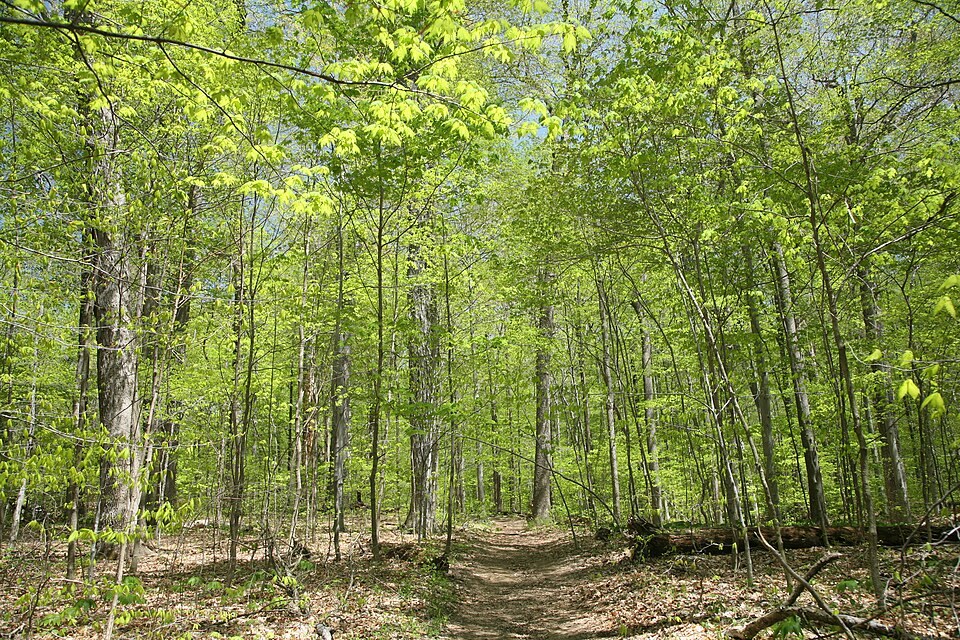
Photograph: Daniel Schwen · Original source · CC BY-SA 4.0. Resized proportionally.

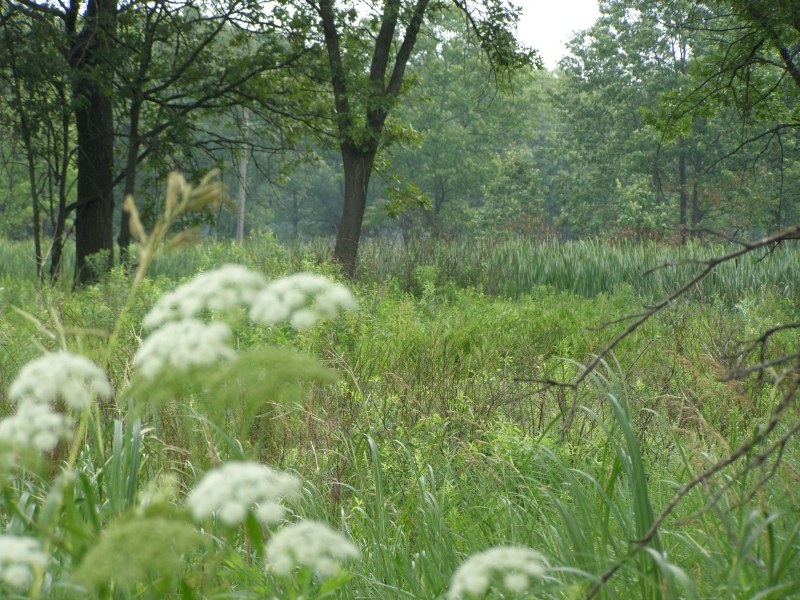
Photograph: Chris Light, National Park Service · Original source · Public domain. Resized proportionally.

Habitat and shelter
Soil, rotting wood, and spaces beneath stones or other objects. Nests may be close to other ant colonies. Indoors, small cavities and cracks offer concealed nesting sites. [ID]
Water and the nesting substrate
The ants can use narrow routes through soil and building materials. Kitchen food residues and unnoticed crevices can matter more than a conspicuous outdoor mound.
Food routes and vegetation
Takes insect brood and varied foods, including fats and proteins. Tiny workers can exploit narrow pathways into stored products. Sweet foods may also be used, so food choice alone is not diagnostic.
Thief ants are best understood as small predators, scavengers, and food thieves. Their presence around a plant does not establish herbivory or beneficial seed dispersal. [ID, UC]
Comparison with Lafayette
The environment inside a cabinet or wall void can differ from outdoor air. Note heated rooms, plumbing, food storage, and the date when the first workers were noticed.
Morris lists Tippecanoe County for Solenopsis molesta. The record is historical and does not identify a present-day household infestation. [IN]
Manage the setting
Use a magnified photograph or specimen to confirm the ant. Trace a trail with good lighting and record the smallest visible entry point without assuming that it is the nest.
Keep a record of the actual conflict: indoor food contamination, structural nesting, a blocked path, or no practical problem. An outdoor ant population does not by itself call for control. [PU]
A simple habitat observation
Choose two nearby places with contrasting cover. Observe each for five minutes at a similar time of day. Record shade, substrate, wetness, visible entrances, and the number of workers crossing a fixed line. Repeat on several days; a trail count measures visible traffic, not colony size.