The print dialog will open. Choose a printer or select Save to PDF.

Download combined Word document

🌿 Animal Information Sheet

Thief Ant

Solenopsis molesta

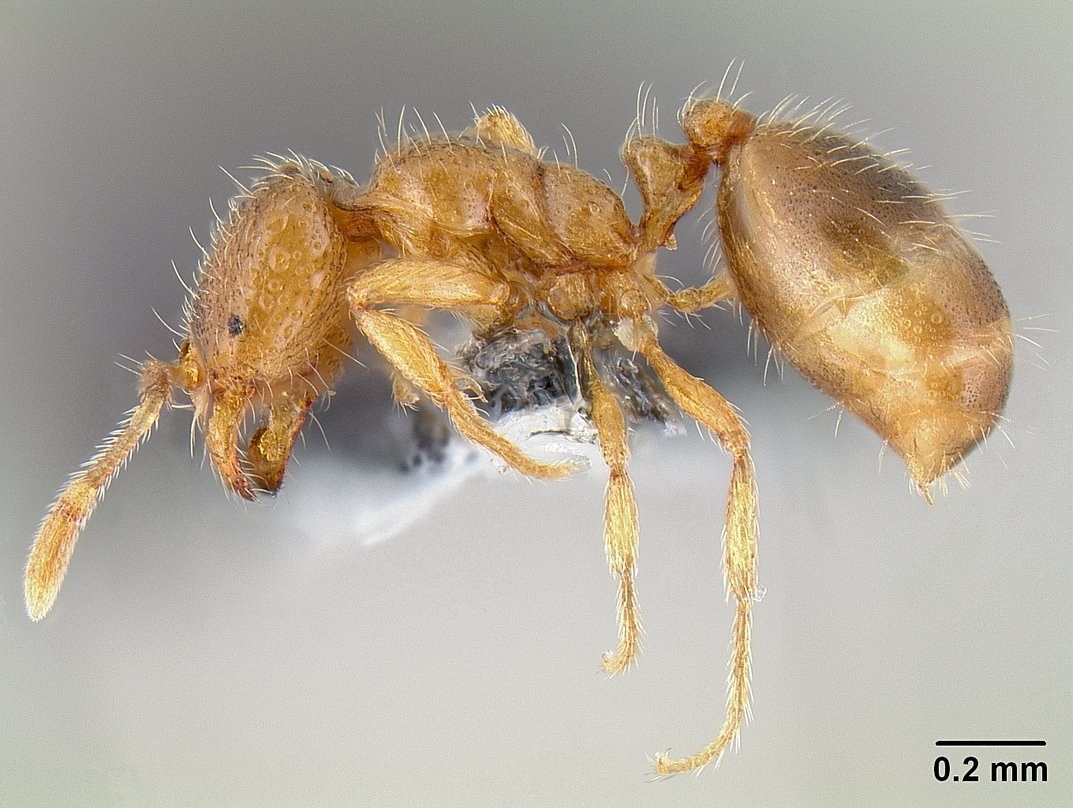
AntWeb worker profile of Solenopsis molesta. The scale bar is 0.2 mm.
Photograph: Michael Branstetter · Original source · CC BY 4.0. Resized proportionally.

An exceptionally small ant that can enter gaps and food packages inaccessible to larger ants. Correct identification matters because the similar-looking pharaoh ant requires a different management approach.

At a Glance

Field

Information

Scientific name

Solenopsis molesta

Worker length

Workers roughly 1 to 2 mm

Native status

Native to North America

Practical significance

Tiny native ant; can contaminate stored food indoors

Identification

Workers are yellow to light brown with tiny eyes, two waist nodes, and 10-segmented antennae ending in a two-segmented club. Those antennal details normally require a microscope. A blurred yellow speck is not enough for a species identification. [ID]

Pharaoh ants have 12-segmented antennae and a three-segmented club. Thief ants themselves include closely related forms, so uncertain specimens should remain labeled Solenopsis molesta group until examined.

Food and foraging

Takes insect brood and varied foods, including fats and proteins. Tiny workers can exploit narrow pathways into stored products. Sweet foods may also be used, so food choice alone is not diagnostic. [ID]
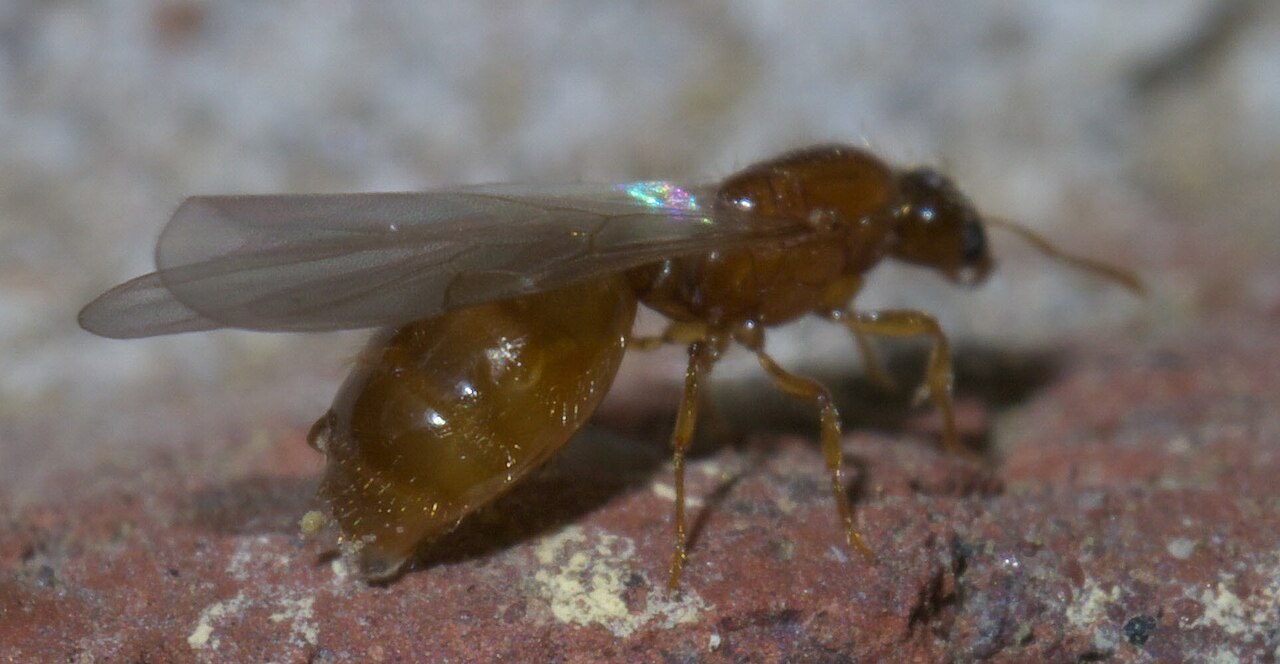
Winged thief-ant queen photographed by xpda. Identification follows the source record.
Photograph: xpda · Original source · CC BY-SA 4.0. Resized proportionally.

Life cycle and seasonal timing

Colonies may have several queens. Workers tend eggs, larvae, and pupae in small concealed chambers. New colonies can begin after reproductive flights; the presence of one tiny worker does not locate the colony.

Mating flights are generally reported from late July into early autumn. Indoor foraging is especially noticeable during hot weather, but location and shelter modify the pattern. [ID, Thief]
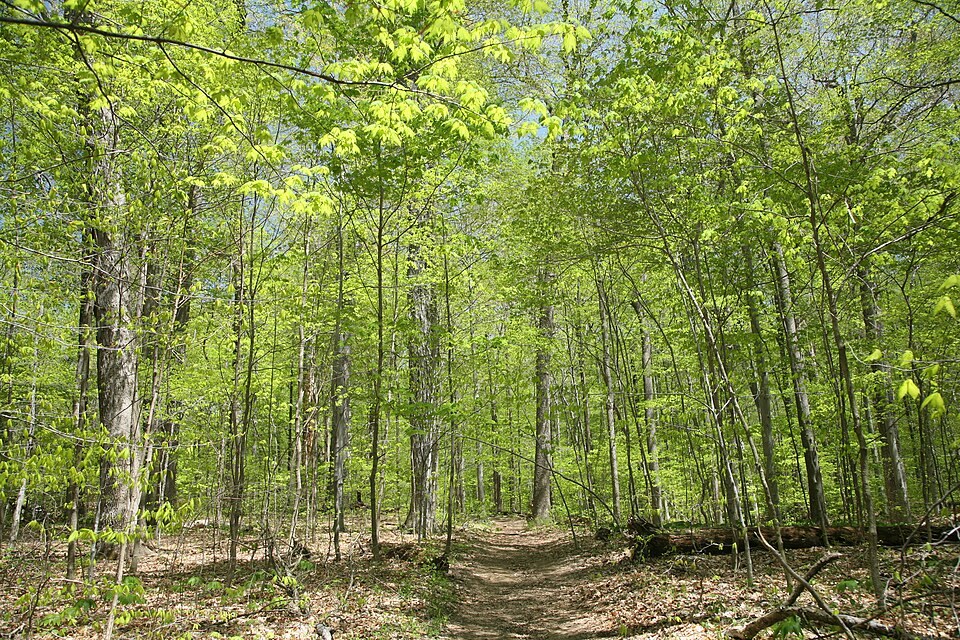
Turkey Run SP, IN 2.jpg • Daniel Schwen • CC BY-SA 4.0
Photograph: Daniel Schwen · Original source · CC BY-SA 4.0. Resized proportionally.
Hoosier Prairie P7150009.jpg • Chris Light, National Park Service • Public domain
Photograph: Chris Light, National Park Service · Original source · Public domain. Resized proportionally.

Environment and local occurrence

Soil, rotting wood, and spaces beneath stones or other objects. Nests may be close to other ant colonies. Indoors, small cavities and cracks offer concealed nesting sites.

Morris lists Tippecanoe County for Solenopsis molesta. The record is historical and does not identify a present-day household infestation. [IN]

Living with this ant

Remove contaminated food, clean grease residues, and store food in well-sealed rigid containers. Confirm thief ant versus pharaoh ant before treatment. Persistent infestations often need professional identification and follow-up. [UC]

Observe without handling or deliberately disturbing the nest. Before using a pesticide, confirm the ant and follow the current label for the site and application. Protect food, children, pets, and nearby water.

Related Information Sheets

Added September 22, 2026 · All Information Sheets

🌿 Climate Information Sheet

Thief Ant — Climate

Solenopsis molesta

Indiana provides a seasonal outdoor setting, with freezing winters and warm summers. The table describes Lafayette weather; it is not a nest-temperature range or a laboratory tolerance limit for this ant.

Lafayette climate at a glance

Month

Mean °F

Mean °C

Precip in

Precip mm

Jan

25.8

-3.4

2.19

56

Feb

29.7

-1.3

1.78

45

Mar

40.0

4.4

2.73

69

Apr

51.1

10.6

3.84

98

May

61.6

16.4

4.04

103

Jun

70.7

21.5

4.56

116

Jul

73.6

23.1

4.08

104

Aug

72.2

22.3

3.12

79

Sep

65.5

18.6

2.59

66

Oct

53.7

12.1

2.91

74

Nov

41.3

5.2

2.87

73

Dec

31.0

-0.6

2.29

58

Seasonal activity

Compare indoor sightings with outdoor heat and dryness, while keeping a separate record of winged ants. A change in foraging can reflect food or shelter changes as well as weather.

Mating flights are generally reported from late July into early autumn. Indoor foraging is especially noticeable during hot weather, but location and shelter modify the pattern. [ID, Thief]

The nest has its own climate

The environment inside a cabinet or wall void can differ from outdoor air. Note heated rooms, plumbing, food storage, and the date when the first workers were noticed.

Sun, cover, soil depth, and indoor heating can shift exposure within a few steps. No single temperature or humidity target should be inferred from this regional climate table.

Weather extremes and future change

NOAA’s 2022 Indiana assessment projects warmer conditions and increased risks from heavy precipitation, while greater evaporation can intensify drought. These are regional projections; they do not predict the abundance of an individual ant species. [Climate]

Observation suggestion: record the first spring workers and each swarm with the date, time, recent rain, and location. Compare several years before attributing a change to climate rather than food availability, habitat change, or observation effort.

References

Related Information Sheets

Added September 22, 2026 · All Information Sheets

🌿 Ecology Information Sheet

Thief Ant — Ecology

Solenopsis molesta

Follow this ant’s feeding, nesting, and relationships with plants and other animals to understand its role in the local community.

AntWeb worker profile of Solenopsis molesta. The scale bar is 0.2 mm.
Photograph: Michael Branstetter · Original source · CC BY 4.0. Resized proportionally.

Food web role

Their small size allows them to exploit the margins of larger ant colonies and take brood or food. This is an interspecific interaction within the soil community, not evidence that the entire ant community is harmful. [Thief]

Relationships with plants

Thief ants are best understood as small predators, scavengers, and food thieves. Their presence around a plant does not establish herbivory or beneficial seed dispersal.

When ants visit a plant, distinguish feeding on plant tissue, gathering nectar or honeydew, hunting, and simple passage. Seeing ants on a flower does not establish effective pollination. [UC]

Colony and community

Colonies may have several queens. Workers tend eggs, larvae, and pupae in small concealed chambers. New colonies can begin after reproductive flights; the presence of one tiny worker does not locate the colony.

Tiny native ant; can contaminate stored food indoors. Morris lists Tippecanoe County for Solenopsis molesta. The record is historical and does not identify a present-day household infestation. [IN]

A question to investigate

Are workers collecting spilled food, carrying another insect, or entering a neighboring ant nest?

Observe for five minutes on at least three occasions. Record what workers carry or contact, note the weather, and include a nearby comparison area. Visible traffic is not a measure of total colony size.

Management implication

Remove contaminated food, clean grease residues, and store food in well-sealed rigid containers. Confirm thief ant versus pharaoh ant before treatment. Persistent infestations often need professional identification and follow-up.

Retain the observation record after any action. Compare the original problem, plant condition, and ant traffic rather than using the disappearance of every ant as the goal. [UC]

Useful terms

Honeydew is sugary excretion from sap-feeding insects. Brood means eggs, larvae, and pupae. A mutualism benefits both partners.

Related Information Sheets

Added September 22, 2026 · All Information Sheets

🌿 Environment Information Sheet

Thief Ant — Environment

Solenopsis molesta

The nest environment explains where this ant can live and how it reaches food. Compare soil, shelter, moisture, and nearby vegetation before treating an entire landscape as one habitat.

Turkey Run SP, IN 2.jpg • Daniel Schwen • CC BY-SA 4.0
Photograph: Daniel Schwen · Original source · CC BY-SA 4.0. Resized proportionally.
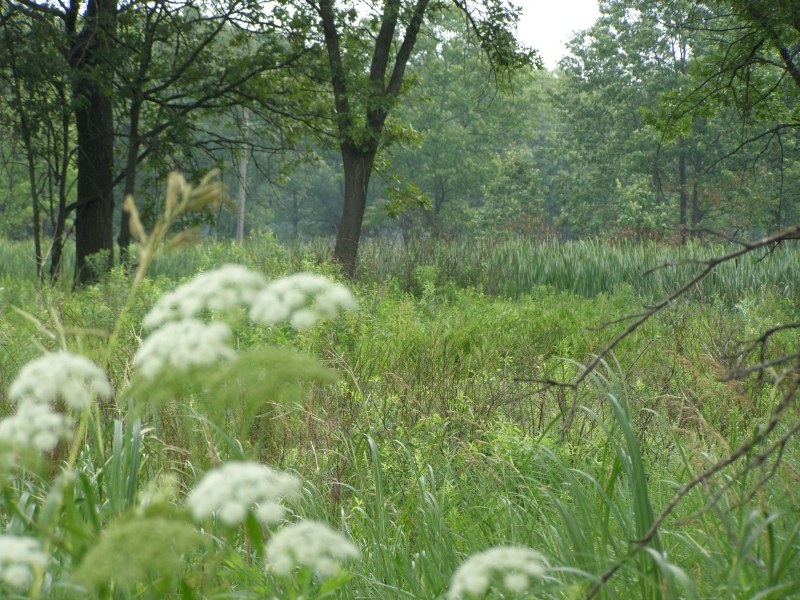
Hoosier Prairie P7150009.jpg • Chris Light, National Park Service • Public domain
Photograph: Chris Light, National Park Service · Original source · Public domain. Resized proportionally.

Habitat and shelter

Soil, rotting wood, and spaces beneath stones or other objects. Nests may be close to other ant colonies. Indoors, small cavities and cracks offer concealed nesting sites. [ID]

Water and the nesting substrate

The ants can use narrow routes through soil and building materials. Kitchen food residues and unnoticed crevices can matter more than a conspicuous outdoor mound.

Food routes and vegetation

Takes insect brood and varied foods, including fats and proteins. Tiny workers can exploit narrow pathways into stored products. Sweet foods may also be used, so food choice alone is not diagnostic.

Thief ants are best understood as small predators, scavengers, and food thieves. Their presence around a plant does not establish herbivory or beneficial seed dispersal. [ID, UC]

Comparison with Lafayette

The environment inside a cabinet or wall void can differ from outdoor air. Note heated rooms, plumbing, food storage, and the date when the first workers were noticed.

Morris lists Tippecanoe County for Solenopsis molesta. The record is historical and does not identify a present-day household infestation. [IN]

Manage the setting

Use a magnified photograph or specimen to confirm the ant. Trace a trail with good lighting and record the smallest visible entry point without assuming that it is the nest.

Keep a record of the actual conflict: indoor food contamination, structural nesting, a blocked path, or no practical problem. An outdoor ant population does not by itself call for control. [PU]

A simple habitat observation

Choose two nearby places with contrasting cover. Observe each for five minutes at a similar time of day. Record shade, substrate, wetness, visible entrances, and the number of workers crossing a fixed line. Repeat on several days; a trail count measures visible traffic, not colony size.

Related Information Sheets

Added September 22, 2026 · All Information Sheets