

Solenopsis molesta
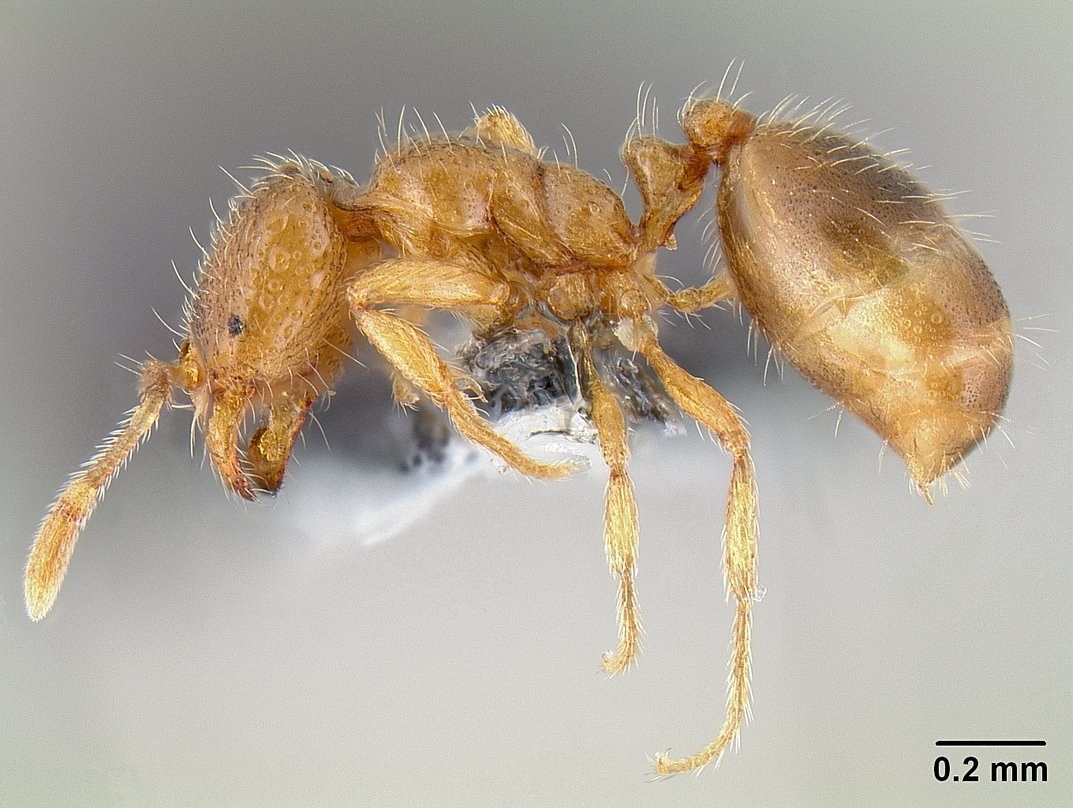
Photograph: Michael Branstetter · Original source · CC BY 4.0. Resized proportionally.

An exceptionally small ant that can enter gaps and food packages inaccessible to larger ants. Correct identification matters because the similar-looking pharaoh ant requires a different management approach.
At a Glance
Field | Information |
|---|---|
Scientific name | Solenopsis molesta |
Worker length | Workers roughly 1 to 2 mm |
Native status | Native to North America |
Practical significance | Tiny native ant; can contaminate stored food indoors |
Identification
Workers are yellow to light brown with tiny eyes, two waist nodes, and 10-segmented antennae ending in a two-segmented club. Those antennal details normally require a microscope. A blurred yellow speck is not enough for a species identification. [ID]
Pharaoh ants have 12-segmented antennae and a three-segmented club. Thief ants themselves include closely related forms, so uncertain specimens should remain labeled Solenopsis molesta group until examined.
Food and foraging
Takes insect brood and varied foods, including fats and proteins. Tiny workers can exploit narrow pathways into stored products. Sweet foods may also be used, so food choice alone is not diagnostic. [ID]
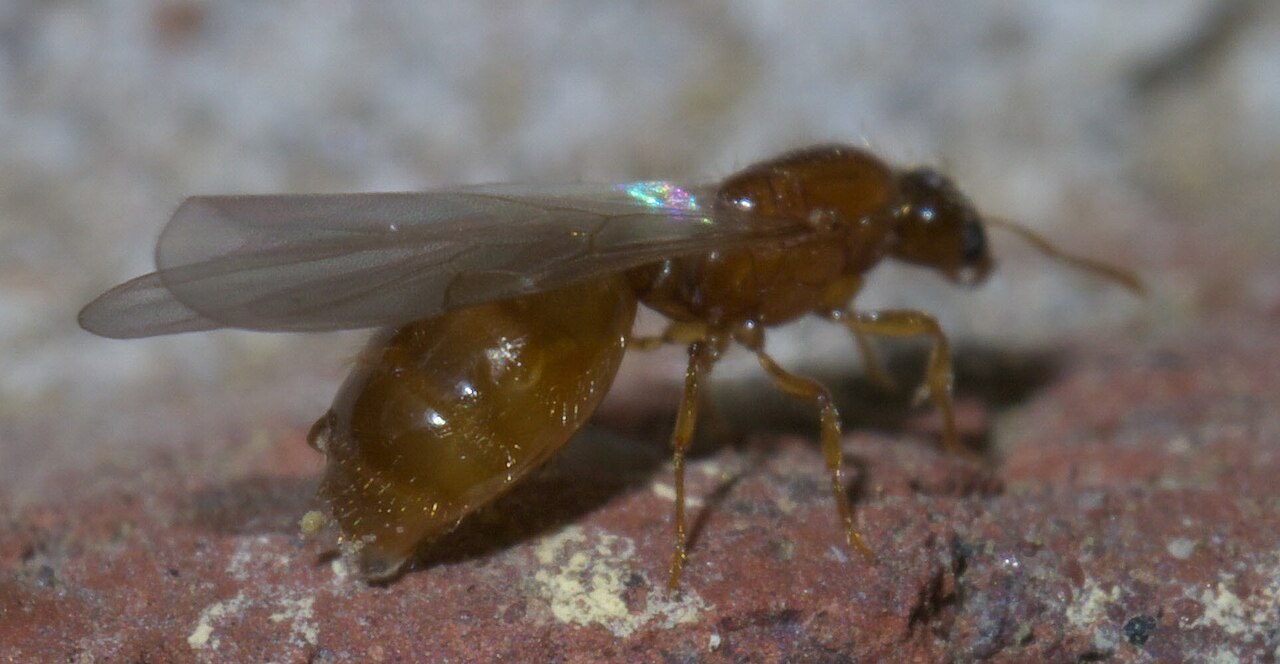
Photograph: xpda · Original source · CC BY-SA 4.0. Resized proportionally.

Life cycle and seasonal timing
Colonies may have several queens. Workers tend eggs, larvae, and pupae in small concealed chambers. New colonies can begin after reproductive flights; the presence of one tiny worker does not locate the colony.
Mating flights are generally reported from late July into early autumn. Indoor foraging is especially noticeable during hot weather, but location and shelter modify the pattern. [ID, Thief]

Photograph: Daniel Schwen · Original source · CC BY-SA 4.0. Resized proportionally.

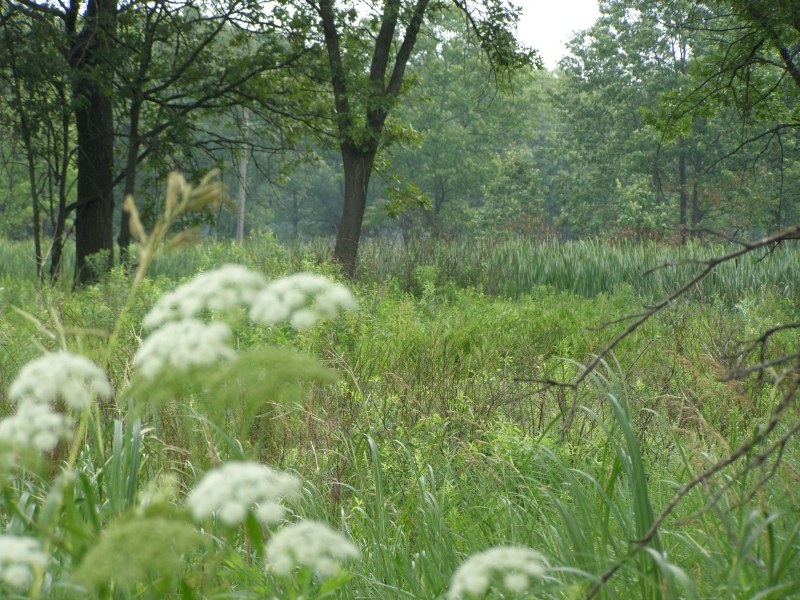
Photograph: Chris Light, National Park Service · Original source · Public domain. Resized proportionally.

Environment and local occurrence
Soil, rotting wood, and spaces beneath stones or other objects. Nests may be close to other ant colonies. Indoors, small cavities and cracks offer concealed nesting sites.
Morris lists Tippecanoe County for Solenopsis molesta. The record is historical and does not identify a present-day household infestation. [IN]
Living with this ant
Remove contaminated food, clean grease residues, and store food in well-sealed rigid containers. Confirm thief ant versus pharaoh ant before treatment. Persistent infestations often need professional identification and follow-up. [UC]
Observe without handling or deliberately disturbing the nest. Before using a pesticide, confirm the ant and follow the current label for the site and application. Protect food, children, pets, and nearby water.