

Archilochus colubris
Ruby-throated Hummingbirds connect Indiana’s warm growing season with warmer winter habitats farther south. Plan for arrivals, breeding and departing migrants rather than year-round local residence. [IN, Aud]
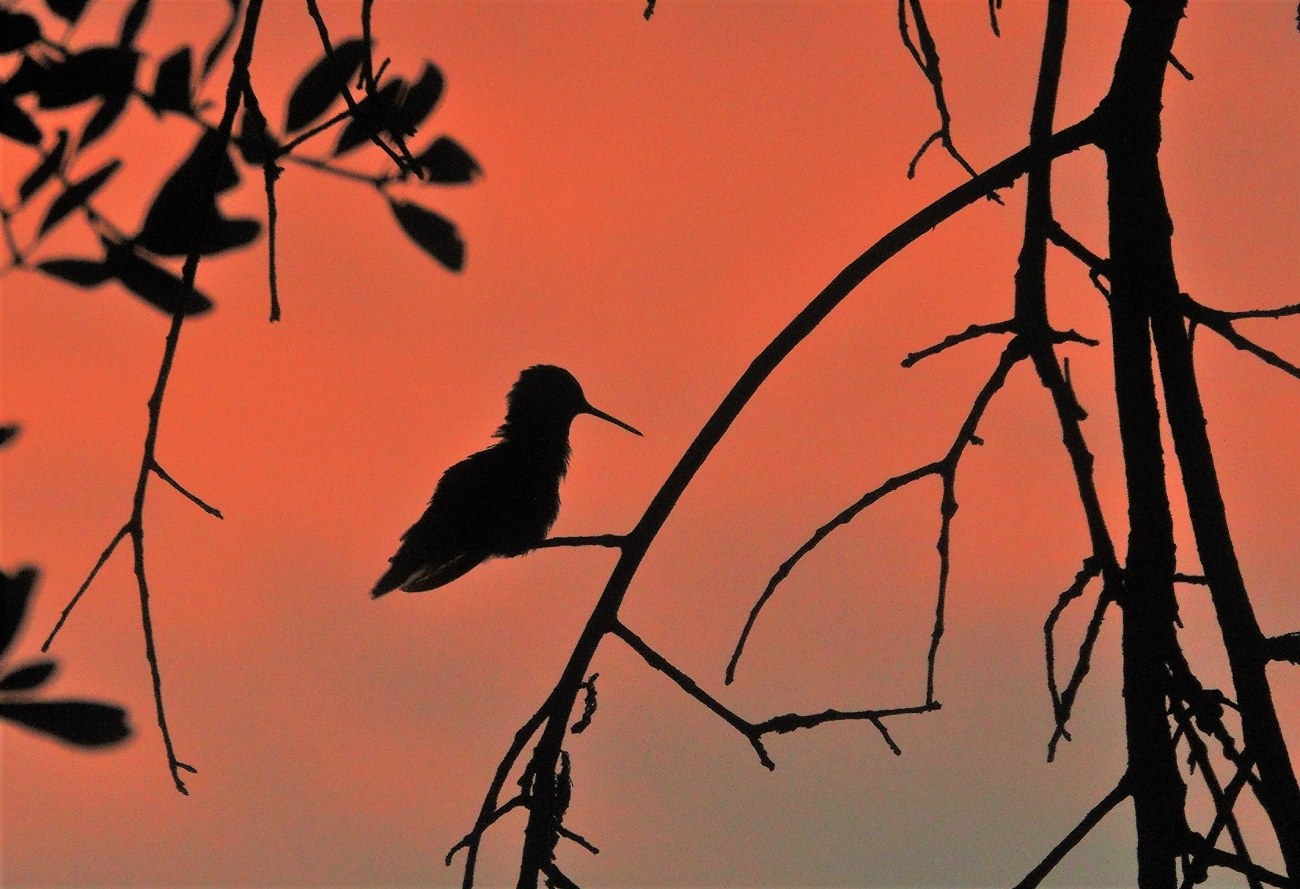
Photograph: Larry A. Woodward/USFWS · Original source · Public domain. Resized proportionally.
Two seasonal settings
Setting | Seasonal conditions and bird use |
|---|---|
Lafayette and eastern breeding range | Temperate growing season; flowers and insects support breeding. Cold winters greatly reduce those food resources. [ADW] |
Mexico and Central America | Main wintering region; open tropical habitats, dry woodland, scrub and edges continue to provide food. Conditions vary across the large range. [Aud, Life] |
A Lafayette planning calendar
Period | What to expect or do |
|---|---|
April to May | Watch for returning birds. Have a maintained feeder ready in April and retain spring flowers. |
May to July | Watch breeding-season activity. Protect quiet vegetation and keep summer flowers available. |
August to September | Expect southbound movement. Adult males may depart before females and young. Keep late flowers and fresh nectar available. |
October | Some late birds may pass through. Continue a clean feeder while birds are using it; document unusual visitors. |
November to March | The species is normally absent locally. Plan habitat improvements for the next growing season. |
Migration and energy
Some migrants cross the Gulf of Mexico; others travel around its western edge. Avoid assuming every bird takes the same route. A sequence of feeding and resting sites supports the journey. [Aud]
Torpor is a controlled reduction in body temperature and metabolism that saves energy, especially during cold nights. It helps a tiny bird survive a temporary energy shortage; it does not turn Indiana into normal winter habitat for this species. [ADW]
Responding to difficult weather
During heat, check nectar daily and replace it promptly; warmth speeds spoilage. During a dry spell, monitor the soil in moisture-loving plantings and water as needed to sustain flowers. Keep clean late-season feeders available for migrants rather than removing them to force departure. [Bird, Lob, Feed]
Track seasonal change
Record first and last sightings, bloom dates, dry spells and observation time. Compare several years before judging a trend. Track flowering and bird arrival separately to identify possible gaps in food availability.
[Aud] Audubon species and migration account
[ADW] University of Michigan Animal Diversity Web
[Life] Cornell Lab life history
[Feed] Smithsonian nectar recipe and feeder care
[Bird] Cornell Lab species overview
[Lob] NC State Extension cardinal flower
Larry A. Woodward/USFWS photograph — Public domain.