
Home / Serviceberry / Environment
Environmental Information Sheet
A tree of open woods and edges
Downy serviceberry occupies deciduous forest landscapes where broken light, organic soil, moisture, and drainage meet.

Scan to open this Information Sheet
planteducationproject.com/serviceberry/environment/
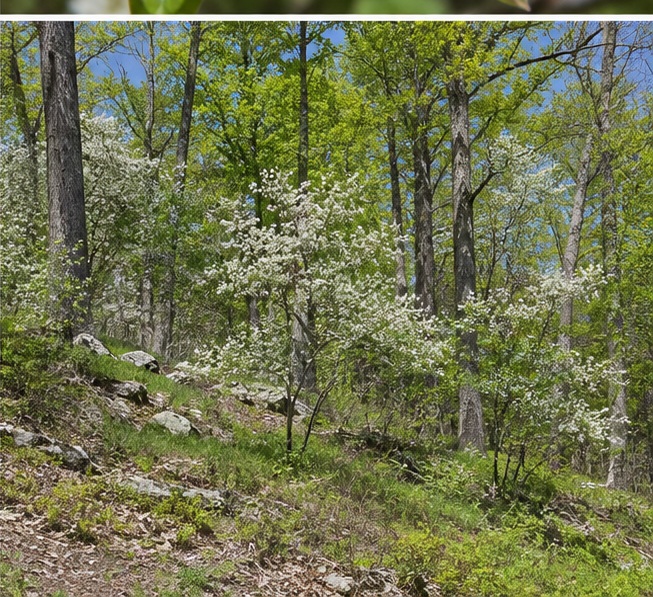
Native setting
The species is native to eastern North America and Indiana. It occurs in open rocky woods, wooded slopes, bluffs, woodland margins, and related sites. This explains why it handles full sun to part shade but is not a deep-shade specialist.
Environmental profile
| Light | Edge light, open woods, full sun to part shade. |
|---|---|
| Soil | Average to rich soil; organic and slightly acidic conditions are especially suitable. |
| Moisture | Moderately moist, not continuously wet. |
| Drainage | Roots require oxygen; persistent saturation is a poor match. |
| Space | Allow 15–25 feet for a natural crown unless a selected form stays smaller. |
Landscape placement
Use serviceberry as a specimen small tree, native garden focal point, wildlife-garden plant, shrub border, or transition between lawn or meadow and taller woodland. A layered planting can place canopy trees behind it and locally appropriate shrubs, grasses, sedges, and woodland perennials below.