
Home / Serviceberry / Ecology
Ecology Information Sheet
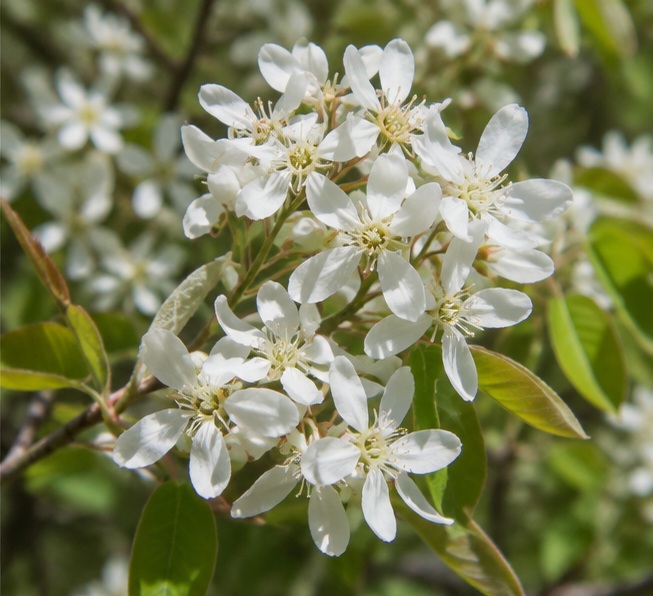
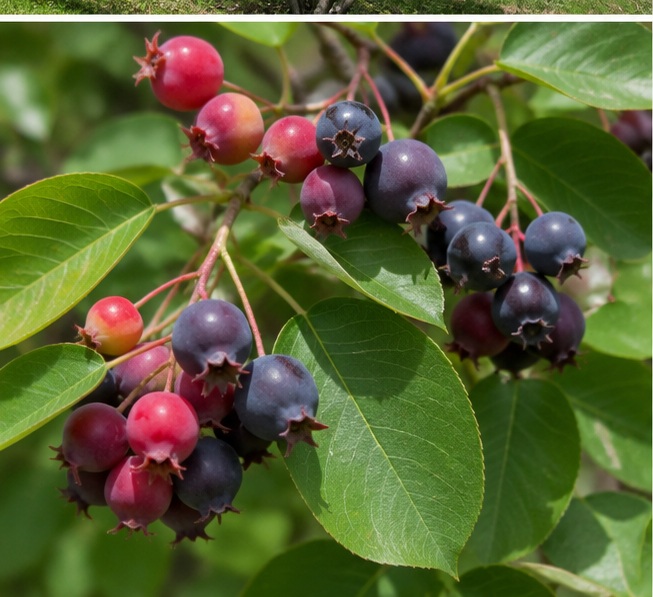
Flowers for insects, fruit for birds
Serviceberry links the early-spring pollinator season to the summer fruit season and supports a wider woodland-edge food web.

Scan to open this Information Sheet
planteducationproject.com/serviceberry/ecology/
Ecological relationships
| Flower visitors | Early blossoms provide pollen and nectar to bees and other flower-visiting insects. |
|---|---|
| Birds | Songbirds eat the summer fruit and may disperse seed. |
| Other wildlife | Mammals also use the fruit. |
| Food web | Leaf-feeding caterpillars and other insects can become food for breeding birds. |
| People | Correctly identified, ripe fruit is edible; human harvest shares the crop with wildlife. |
Garden practice
Avoid treating every chewed leaf as damage requiring control. First identify the organism and decide whether plant health is actually threatened. Preserve flowers for pollinators, avoid unnecessary pesticide use, and accept some fruit loss as part of the tree’s ecological function.
A layered native planting
Place serviceberry between open lawn or meadow and taller woodland. Combine it with locally appropriate native shrubs and a ground layer of grasses, sedges, and perennials. The result offers more shelter, food, and seasonal continuity than an isolated ornamental tree.