


Environment and native habitat
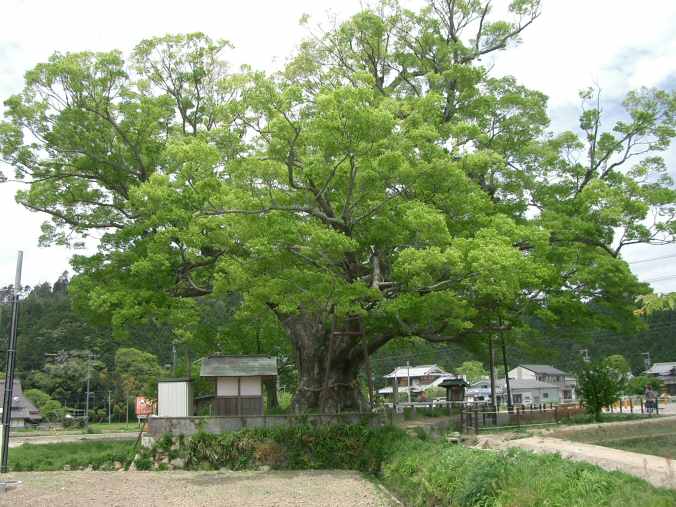
Native settings include moist woods, hillsides, and stream margins. The National Arboretum in Canberra describes populations on alluvial soils beside streams in lowland and mountain settings. Alluvial soil is material deposited by flowing water. This setting combines water supply with variation in drainage and elevation. [6, 8]
A specific example is the Kuimaru Pass protected zelkova forest in Fukushima, Japan. The Forestry Agency describes old zelkovas concentrated on the lower slopes, with oak forest higher up. The protected stand conserves genetic resources and relies on natural regeneration. [9]
See the Kuimaru Pass forest photographs for documented natural habitat.
Translate habitat into a planting site
Choose a generous soil area that holds useful moisture but drains. Morton Arboretum advises against wet sites. Streamside origin does not mean that a compacted, permanently waterlogged planting hole is suitable. [3, 6]
Before planting, measure the available canopy space, identify utilities, and examine drainage after a soaking rain. Do not rely on pruning to keep a naturally large tree permanently small. For a landscape tree, use the site’s soil as backfill; a special potting recipe belongs to container culture. [10]
Sources and evidence
Reviewed 2026-09-23. Source numbers match the Word package. Planting and observation steps are practical adaptations for home landscapes.
- [3] The Morton Arboretum. Japanese zelkova — size, soil, hardiness, and ice damage
- [6] National Arboretum Canberra. Forest 84 — Japanese zelkova native habitat
- [8] Oklahoma State University Extension. Oklahoma Proven — Japanese zelkova habitat profile
- [9] Japan Forestry Agency, Kanto Regional Forest Office. Kuimaru Pass zelkova genetic-resource conservation forest
- [10] John E. Woodmansee, Purdue Extension. Arbor Day — Planting a Tree Correctly, 2024

Open this sheet online
planteducationproject.com/japanese-zelkova/environment/