

Formica species
The nest environment explains where this ant can live and how it reaches food. Compare soil, shelter, moisture, and nearby vegetation before treating an entire landscape as one habitat.
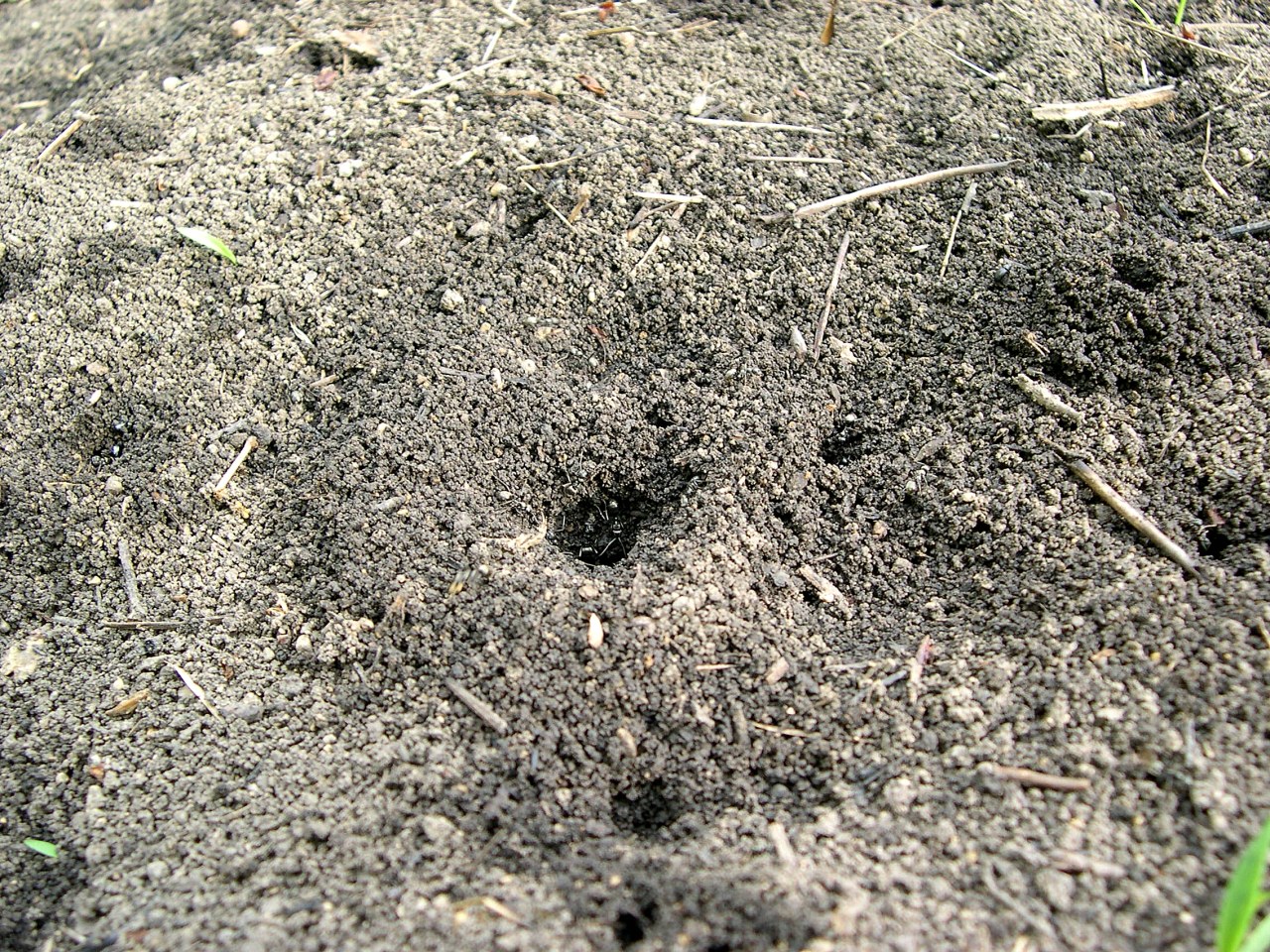
Photograph: Jay Sturner from USA · Original source · CC BY 2.0. Resized proportionally.

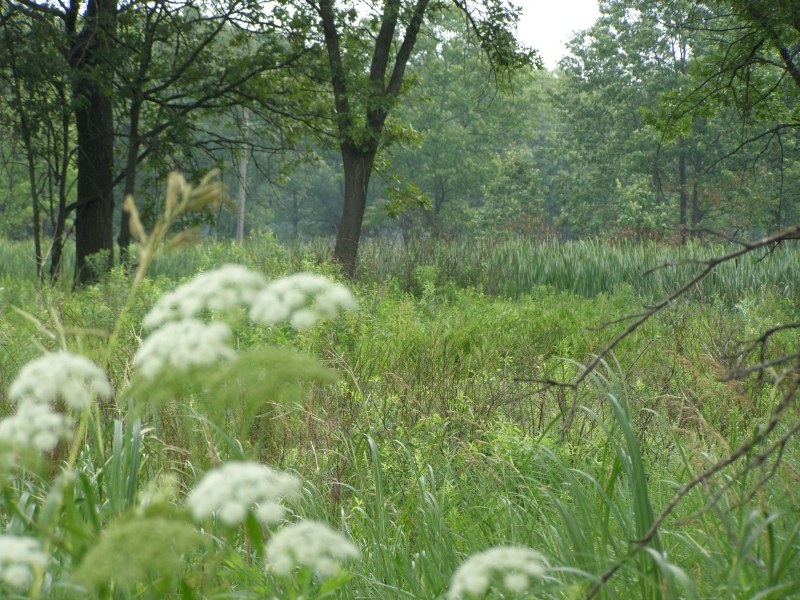
Photograph: Chris Light, National Park Service · Original source · Public domain. Resized proportionally.

Habitat and shelter
Open soil, lawns, prairies, woodland margins, and other settings depending on species. Some build soil or thatch mounds; others nest beneath objects with less visible surface structure. [ID]
Water and the nesting substrate
Mound exposure, vegetation cover, and soil drainage affect local conditions. A large mound is a constructed nest environment, not simply a pile of unwanted soil.
Food routes and vegetation
Common resources include insect prey, dead insects, and honeydew. Feeding observations are more informative than assuming that every large mound represents plant damage.
Some species attend honeydew-producing insects. Certain mound-building species can suppress nearby vegetation; this should not be generalized to every field ant or blamed for every bare patch. [ID, UC]
Comparison with Lafayette
Sun exposure can change a mound temperature rapidly. A warm mound top does not describe all chambers below it. Use nonintrusive surface readings and make that limitation explicit.
Morris lists Tippecanoe County for the historical Formica fusca subsericea combination. Other Formica species need their own records. [IN]
Manage the setting
Describe the mound material, height, cover, and surrounding vegetation. Avoid opening the nest. For large habitat projects, retain a range of undisturbed ground conditions and consult species-level evidence.
Keep a record of the actual conflict: indoor food contamination, structural nesting, a blocked path, or no practical problem. An outdoor ant population does not by itself call for control. [PU]
A simple habitat observation
Choose two nearby places with contrasting cover. Observe each for five minutes at a similar time of day. Record shade, substrate, wetness, visible entrances, and the number of workers crossing a fixed line. Repeat on several days; a trail count measures visible traffic, not colony size.