

Tapinoma sessile
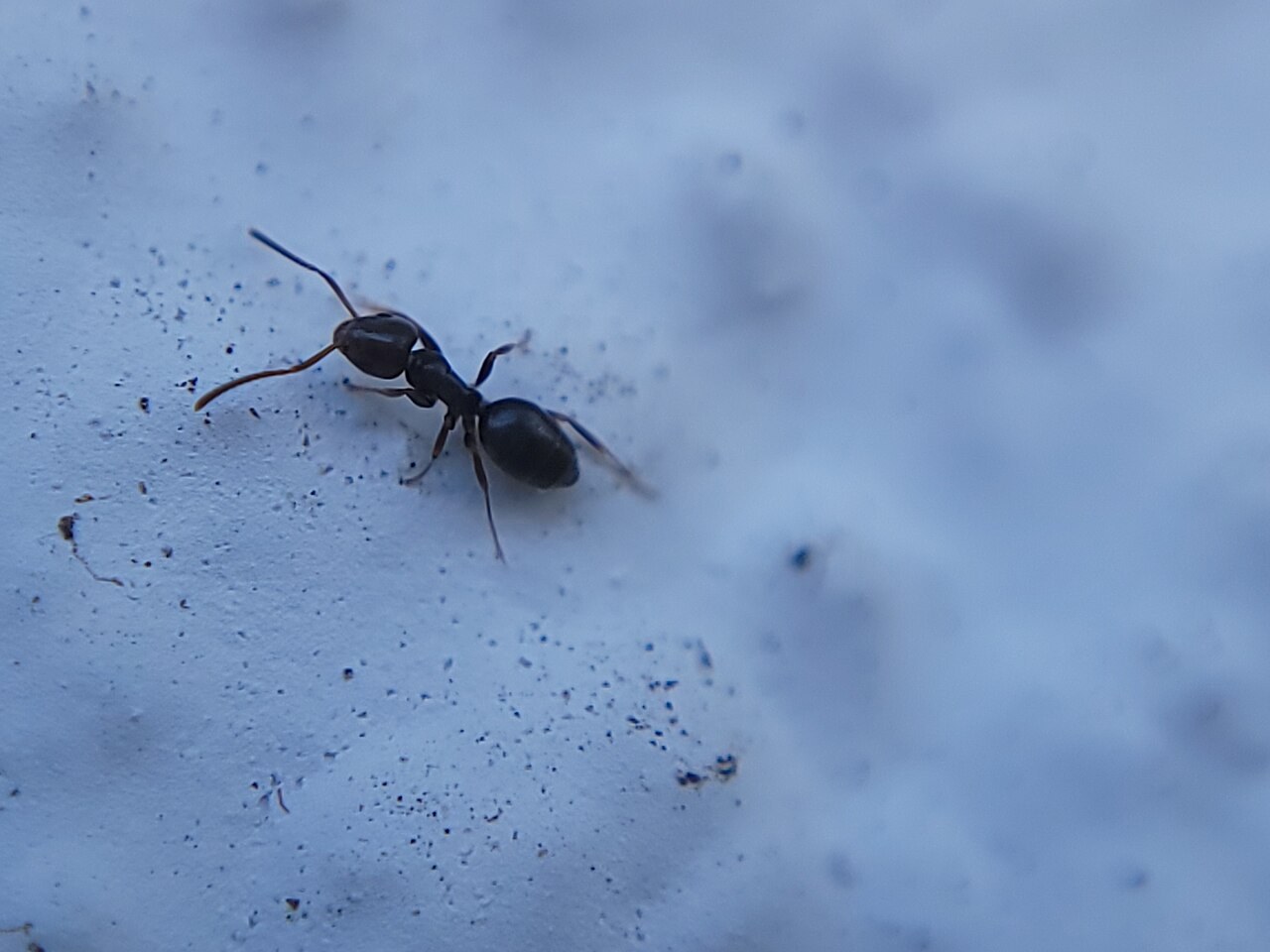
Photograph: Theo Summer · Original source · CC BY 4.0. Resized proportionally.

A small native scavenger that follows food trails through gardens and sometimes kitchens. Identify the ant and locate what attracts it before deciding whether control is needed.
At a Glance
Field | Information |
|---|---|
Scientific name | Tapinoma sessile |
Worker length | About 2 to 3 mm |
Native status | Native to North America |
Practical significance | Native ant that can become a persistent household nuisance |
Identification
Workers are brown to nearly black. The tiny waist node is largely concealed by the abdomen. Viewed from the side, the middle body is uneven rather than smoothly arched. Odor can support identification, but a photograph, size estimate, and close view of the waist are more useful than deliberately crushing an ant. [ID]
Pavement ants have two visible waist nodes and fine grooves on the head. Small Lasius ants have a more evident single node. “Sugar ant” is a feeding nickname, not a reliable species name.
Food and foraging
Collects sugary liquids, especially honeydew, and takes insect food. Check leaf undersides and tender shoots when workers repeatedly climb a plant. [ID]
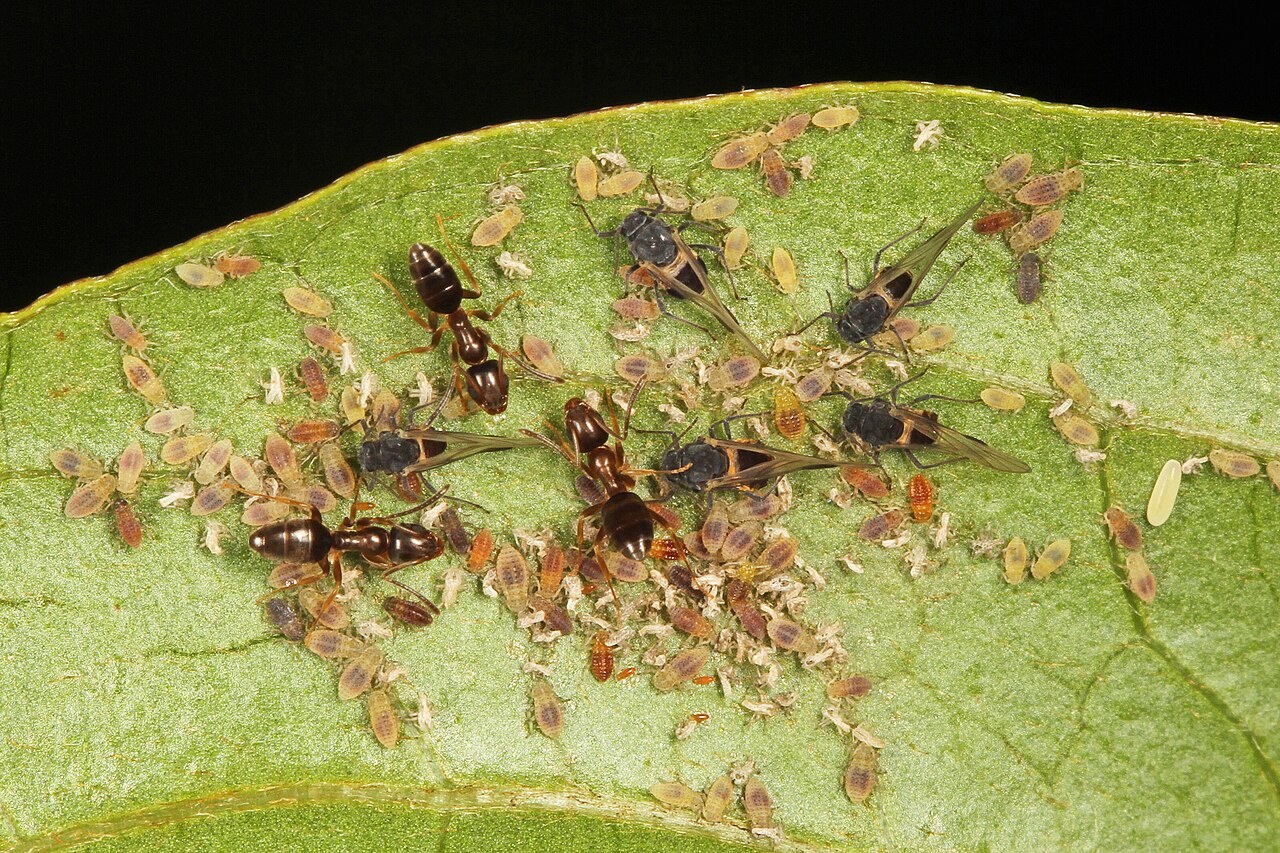
Photograph: Judy Gallagher · Original source · CC BY 2.0. Resized proportionally.

Life cycle and seasonal timing
Eggs develop through legless larvae and pupae into adults. Wingless female workers forage and care for the brood. Queens reproduce; winged males and young queens can appear during the warm season.
Winged forms are often reported in early to midsummer; June and July are a regional guide, not a fixed Indiana schedule. [ID]
Photograph: Daniel Schwen · Original source · CC BY-SA 4.0. Resized proportionally.

Photograph: Chris Light, National Park Service · Original source · Public domain. Resized proportionally.

Environment and local occurrence
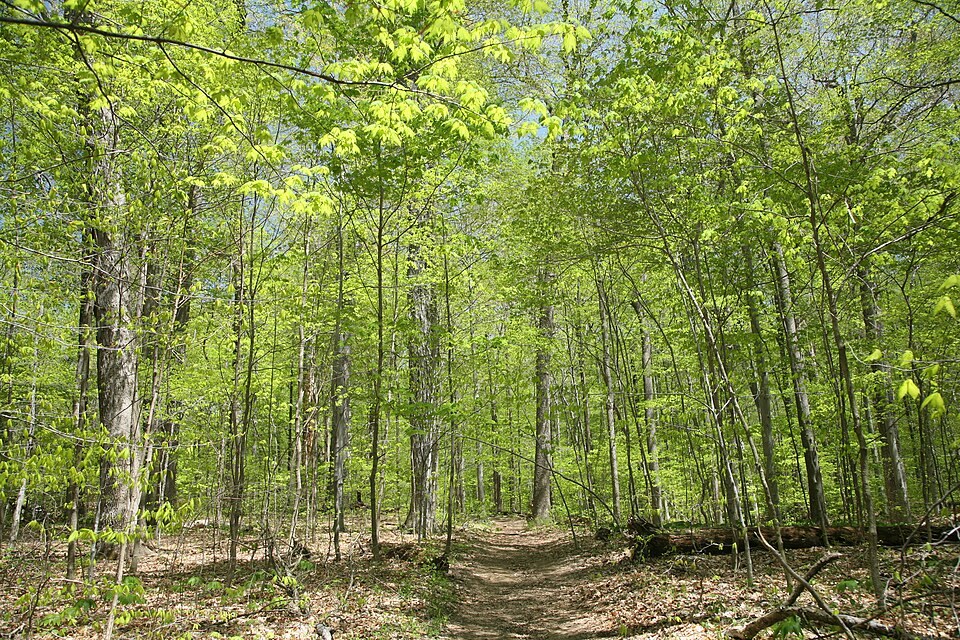
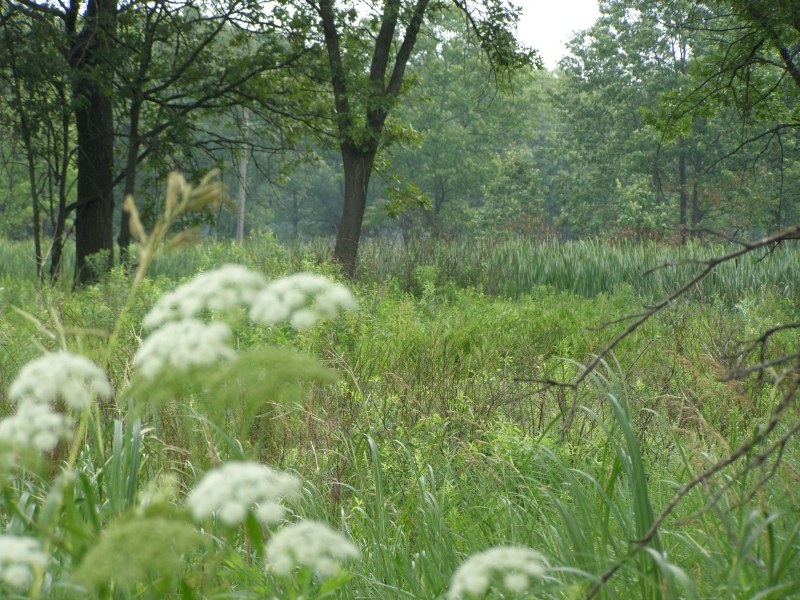
Soil beneath stones, boards, mulch, and other cover; woodland edges and disturbed ground. Colonies can also occupy sheltered spaces in buildings, especially near moisture.
Morris lists Tippecanoe County for Tapinoma sessile. This is a historical occurrence, not a current abundance estimate. [IN]
Living with this ant
Clean up spills, seal food, correct leaks, and close entry gaps. For persistent indoor colonies, use a labeled ant bait appropriate to the site or obtain professional help. Keep sprays away from an active baiting program. [UC]
Observe without handling or deliberately disturbing the nest. Before using a pesticide, confirm the ant and follow the current label for the site and application. Protect food, children, pets, and nearby water.