

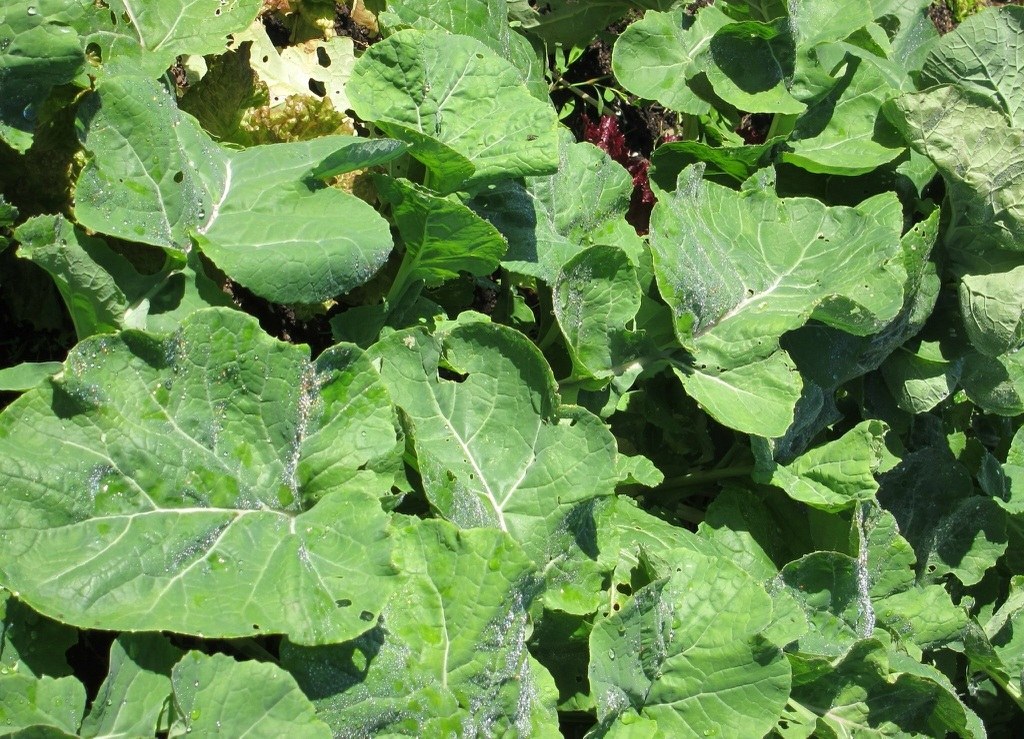
Photograph: DewyKohl40 · Original source · CC BY-SA 2.0. Resized proportionally.
Rutabaga is a cultivated cool-season crop grown mainly for its swollen edible root. It is a different crop from turnip (Brassica rapa), despite similar appearance and overlapping common names.
To understand the care of a plant, understand its native climate and environment.
At a glance
Field | Information |
|---|---|
U.S. native | No; cultivated crop of Old World origin. |
Tippecanoe County native | No; a planted vegetable crop. |
Invasive status | Crop volunteers are possible; this sheet does not classify rutabaga as an Indiana invasive species. |
Self-seeding | Limited; plants must survive to flower and mature seed. |
Edibility | Roots and young leaves are edible when correctly identified and handled as food. |
Cautions | Follow pesticide labels for edible crops and harvest intervals. Do not use lawn weed-and-feed products. |
Light, season, and spacing
Use a sunny bed. Plan a summer sowing that matures in cool fall weather, using the cultivar’s days to maturity and local frost timing. Thin seedlings to about 8 inches apart; crowded roots remain small.
Soil and Standard container mix
Garden soil should be loose enough for root expansion and drain well. For a container crop harvested as baby vegetables, use Standard Herb and Vegetable Mix: 2 parts generic potting soil, 1 part compost-rich raised-bed or in-ground soil ingredient, and 1 part coarse perlite by volume. Blend loosely, use a drainage hole, and omit gravel at the bottom. Grow full-size roots in a garden bed; containers are best used for small, early-harvested roots.
Water and feeding
Maintain even moisture; roughly an inch of water per week is a starting point for garden soil, adjusted for rainfall and conditions. Test soil before fertilizer decisions. Excess nitrogen can favor leaves over roots; avoid fresh manure.
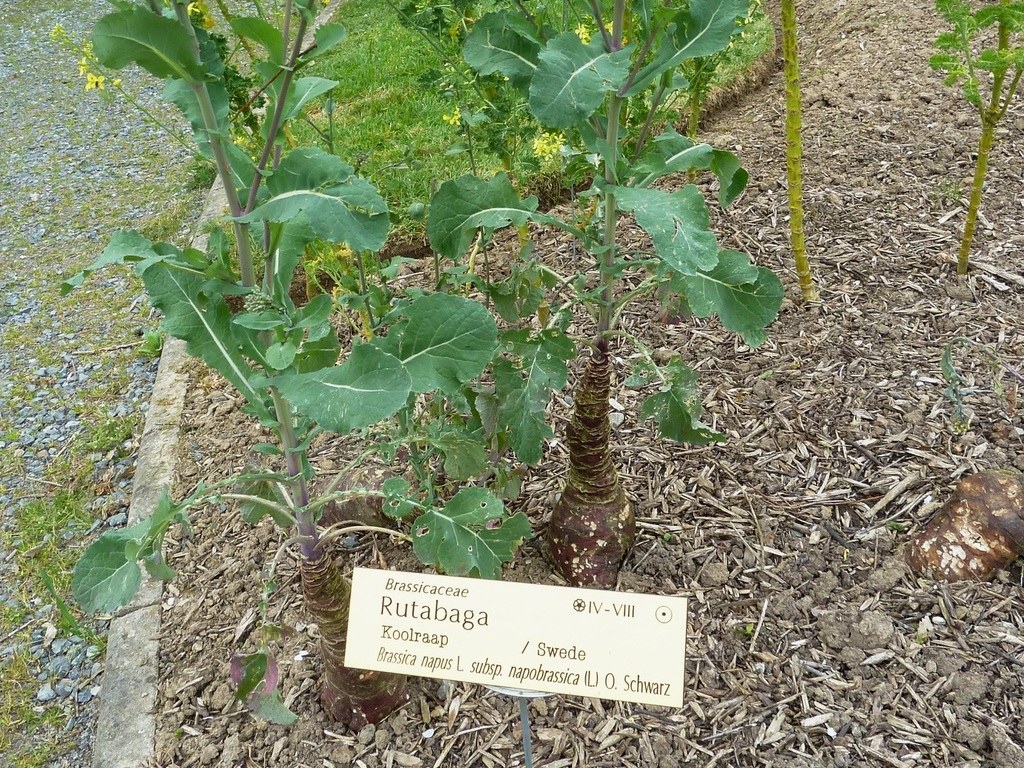
Photograph: Pierre Andre Leclercq · Original source · CC BY-SA 4.0. Resized proportionally.
Flowering and propagation
Propagate the food crop by seed. Rutabaga normally grows vegetatively first and flowers after an appropriate cold period. Seed saving therefore differs from first-season root harvest and requires attention to compatible Brassica crops nearby.
Grooming and troubleshooting
Thin early and control weeds while small. Flea beetles, root maggots, and clubroot can reduce success. Rotate away from cabbage-family crops for several years, especially where disease occurred; diagnose before treatment.
Environment / crop origin
Rutabaga is a domesticated crop, so there is no single wild native habitat to reproduce. Cool-season growth, steady moisture, and a penetrable root zone are more useful care guides than treating it as a tropical houseplant.
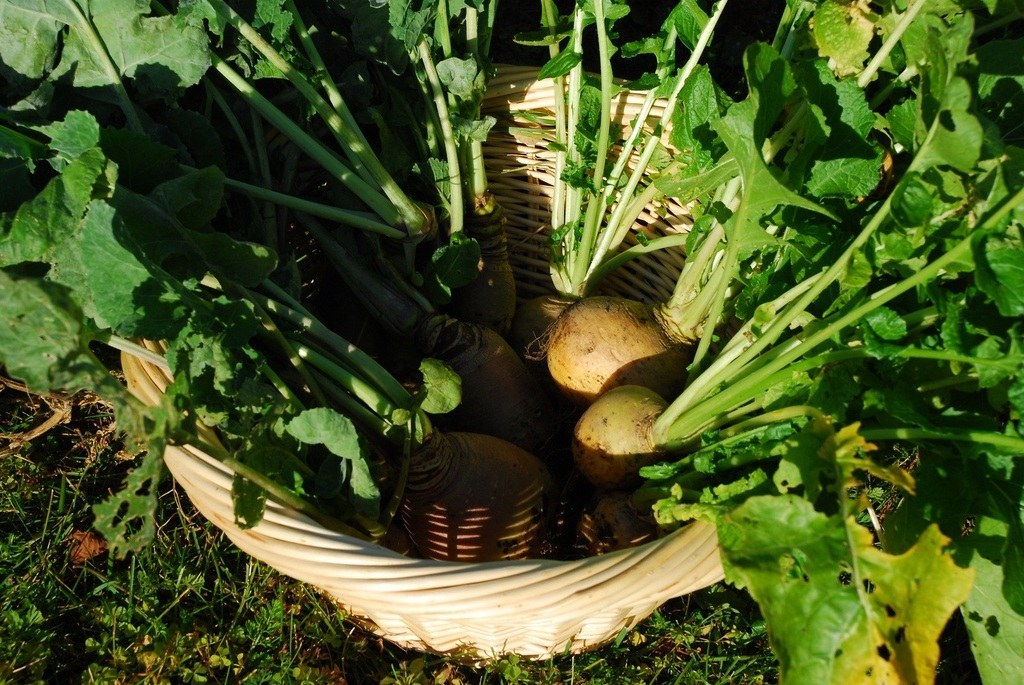
Photograph: Johnathan Nightingale · Original source · CC BY-SA 2.0. Resized proportionally.
Harvest and seasonal care
Harvest when roots reach the cultivar’s usable size. Remove damaged roots from storage. For longer storage, use cool, humid conditions without freezing; keep clean food roots separate from seed stock and garden chemicals.
Sources and further reading
University of Minnesota Extension — Growing turnips and rutabagas
Royal Horticultural Society — How to grow swedes
NC State Extension — Rutabaga identification and photo credits