Phalaenopsis spp. and hybrids
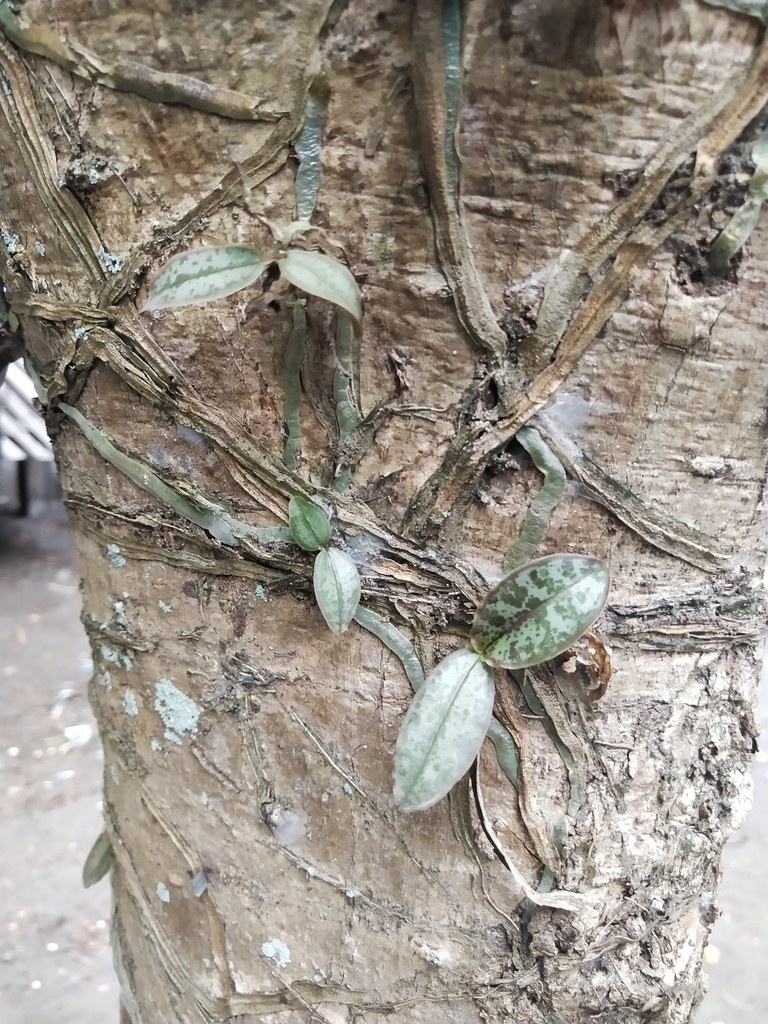
Photograph: Greg III Espera · Original source · CC BY. Resized proportionally.
“To understand the care of a plant, understand its native climate and environment.”
Key Point
Judge watering by root color and pot weight, not by the calendar.
At-a-Glance Growing Specifications
CARE FACTOR | PRACTICAL GUIDANCE |
|---|---|
Botanical name | Phalaenopsis spp. and hybrids |
Family | Orchidaceae |
Light | Bright indirect light; avoid hard midday sun. |
Water | Water when roots turn silvery and the medium is nearly dry; drain completely and keep water out of the crown overnight. |
Temperature | 65–85°F; brief 60–65°F nights can help initiate spikes in many hybrids. |
Feeding | ¼-strength orchid fertilizer most waterings during growth; flush with plain water monthly. |
Potting mix | Stock Tropical Foliage Standard Mix: 1 part generic potting soil + 1 part coarse perlite, by volume. This recipe is recorded for inventory completeness; it is not an established epiphytic-orchid medium. A species-appropriate coarse, well-aerated orchid medium is preferable. No suitable orchid-specific Standard mix has been validated from the present stock list. |
Toxicity | Generally considered non-toxic to cats and dogs. |
Native status, spread and safety
Field | Status |
|---|---|
Native to Tippecanoe County, Indiana | No. Native species occur in Asia and nearby Australasian regions. |
Native to the United States | No. |
Invasive status | Not established as invasive in the Indiana growing context; this is not a regulatory determination. |
Self-seeding | No in ordinary indoor culture. |
Edibility and cautions | Not a food plant. Do not infer human edibility from a non-toxic pet classification. |
Care
- Bright indirect light; avoid hard midday sun.
- Water when roots turn silvery and the medium is nearly dry; drain completely and keep water out of the crown overnight.
- Use a container with an unobstructed drainage hole. Do not add a gravel layer under the mix. Increase only one pot size when repotting.
- Rotate the pot periodically for even growth, inspect leaf axils and roots, and quarantine new plants before adding them to a collection.
Standard Potting Mix
Stock Tropical Foliage Standard Mix: 1 part generic potting soil + 1 part coarse perlite, by volume. This recipe is recorded for inventory completeness; it is not an established epiphytic-orchid medium. A species-appropriate coarse, well-aerated orchid medium is preferable. No suitable orchid-specific Standard mix has been validated from the present stock list.
Mix by volume using the same scoop. Premoisten dusty ingredients and keep the blend loose.
ORCHID CAUTION: Fine soil can suffocate orchid roots even in a slotted pot. Do not interpret a smaller pot or less frequent watering as proof that an unsuitable medium is safe.
Feeding
¼-strength orchid fertilizer most waterings during growth; flush with plain water monthly. Feed only moist, healthy roots. Reduce or stop fertilizer when growth pauses, and occasionally flush the pot with plain water to limit soluble salts.
Flowering
Long arching spikes carry moth-like flowers that may last for months.
- Provide the correct light and seasonal rhythm; fertilizer cannot compensate for inadequate light.
- Remove spent flowering structures with clean tools unless seed or wildlife value is desired.
Propagation and Self-Seeding
Separate keikis only after several roots are about 2–3 inches long; division is not appropriate for single-crown plants.
Self-seeding: No in ordinary indoor culture.
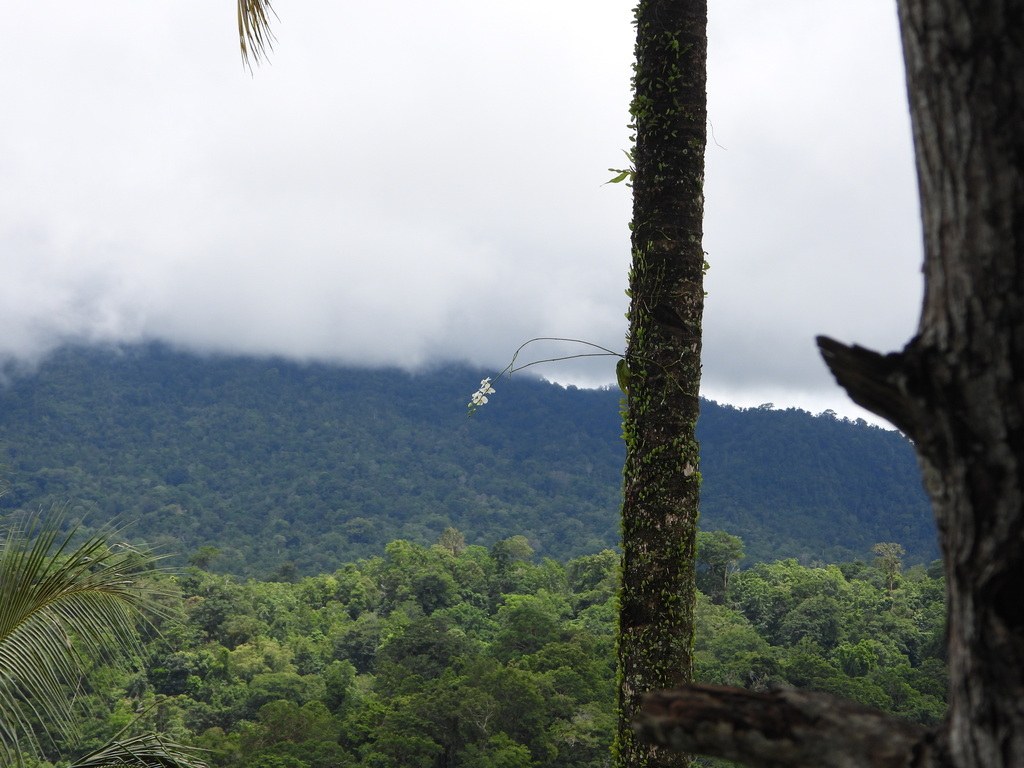
Photograph: Светлана Царахова; CC0. Photo and license · Observation. Resized only. · Original source · CC0. Resized proportionally.
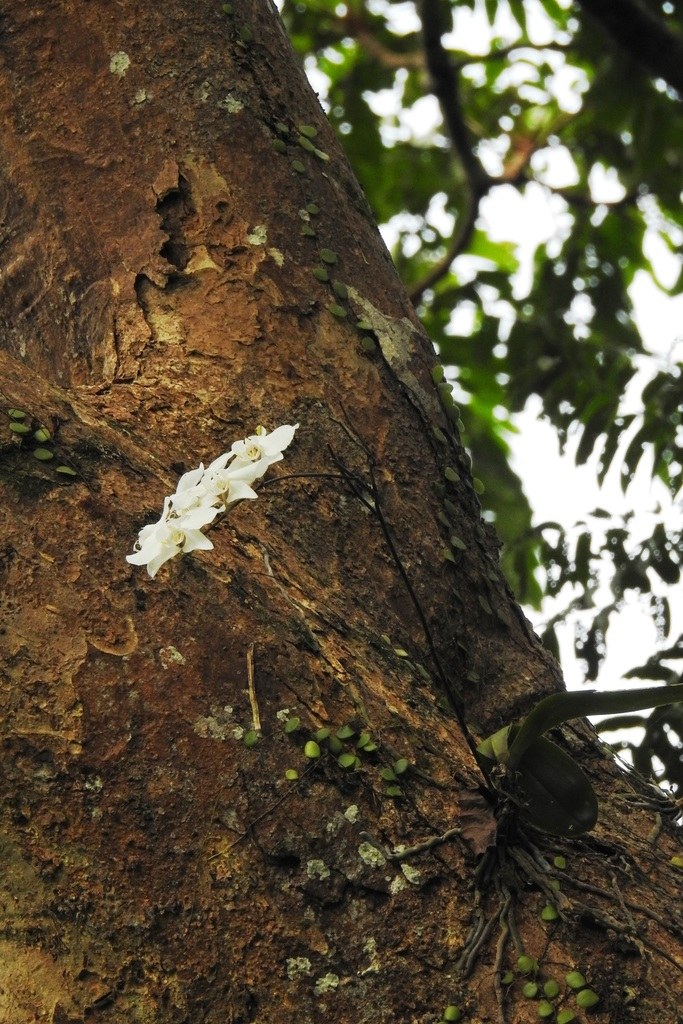
Photograph: Pauline Carmel Joy Eje · Original source · CC BY. Resized proportionally.
Environment / Native Habitat
Tropical and subtropical Asia to northern Australia; epiphytes with exposed, photosynthetic roots and frequent rain followed by aeration.
Cultivation translation: reproduce the habitat’s drainage, air movement, light pattern, and seasonal change rather than copying only its average temperature.
Troubleshooting
Crown rot follows trapped water. Limp leaves can reflect thirst or dead roots. Bud blast follows sudden temperature, moisture, or ethylene changes.
CARE FACTOR | PRACTICAL GUIDANCE |
|---|---|
Plant declines after watering | Inspect roots and crown; remove rot, improve aeration, and extend the dry interval. |
Pests | Isolate first. Check for mealybugs, scale, mites, aphids, or fungus gnats; begin with physical removal and the least-toxic labeled control. |
Weak or distorted growth | Recheck light, root health, temperature, and fertilizer before adding more water or feed. |
Quick Reference
CARE FACTOR | PRACTICAL GUIDANCE |
|---|---|
Light | Bright indirect light; avoid hard midday sun. |
Water | Water when roots turn silvery and the medium is nearly dry; drain completely and keep water out of the crown overnight. |
Temperature | 65–85°F; brief 60–65°F nights can help initiate spikes in many hybrids. |
Standard mix | Stock Tropical Foliage Standard Mix: 1 part generic potting soil + 1 part coarse perlite, by volume. This recipe is recorded for inventory completeness; it is not an established epiphytic-orchid medium. A species-appropriate coarse, well-aerated orchid medium is preferable. No suitable orchid-specific Standard mix has been validated from the present stock list. |
Propagation | Separate keikis only after several roots are about 2–3 inches long; division is not appropriate for single-crown plants. |
Self-seeding | No in ordinary indoor culture. |
Reliable References
NC State Extension — phalaenopsis
- Internal standard: Minimal Standard Potting Mixes and Stock Inventory Information Sheet (2026).
Educational reference. Species, cultivar, climate, container, and household conditions may require adjustment.