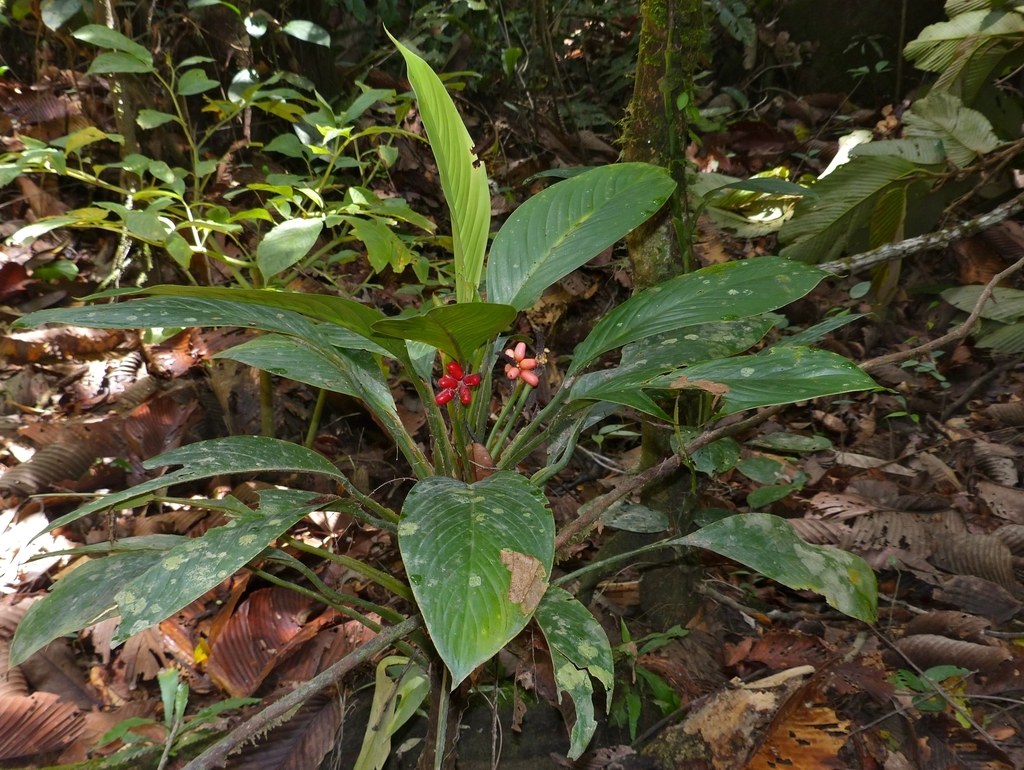
Photograph: Bernard DUPONT · Original source · Creative Commons license. Resized proportionally.
Chinese evergreens are tropical foliage plants with substantial differences among species and cultivars. Identify a plant’s cultivar when possible, especially when judging color, size, and light needs.
To understand the care of a plant, understand its native climate and environment.
At a glance
Field | Information |
|---|---|
U.S. native | No; the genus is native to tropical and subtropical Asia through parts of the western Pacific. |
Tippecanoe County native | No; grown indoors or seasonally in containers. |
Invasive status | Not assessed for every species in this genus-level sheet. Do not release plants in frost-free habitats. |
Self-seeding | Limited indoors; flowering and fruit do not guarantee viable seedlings. |
Edibility | No; poisonous if chewed. |
Cautions | Calcium oxalate crystals can cause intense mouth irritation. Keep away from children and pets; avoid sap contact. |
Light and growing conditions
Use filtered light. Green cultivars tolerate lower light, but tolerance does not mean vigorous growth in darkness. Protect from direct hot sun and temperatures below about 55°F (13°C).
Standard potting mix
Use Standard Tropical Foliage Mix: 1 part generic potting soil and 1 part coarse perlite by volume. This approved formula contains no added bark or coir. Lightly moisten dusty material and blend without packing. Use an open drainage hole and no gravel layer. Keep the crown at its original depth.
Water and feeding
Let the upper mix begin drying before watering, then drain excess. Low light reduces water demand. Feed lightly during active growth using the label rate; accumulated salts can burn leaf tips. Do not treat every yellow leaf with fertilizer.
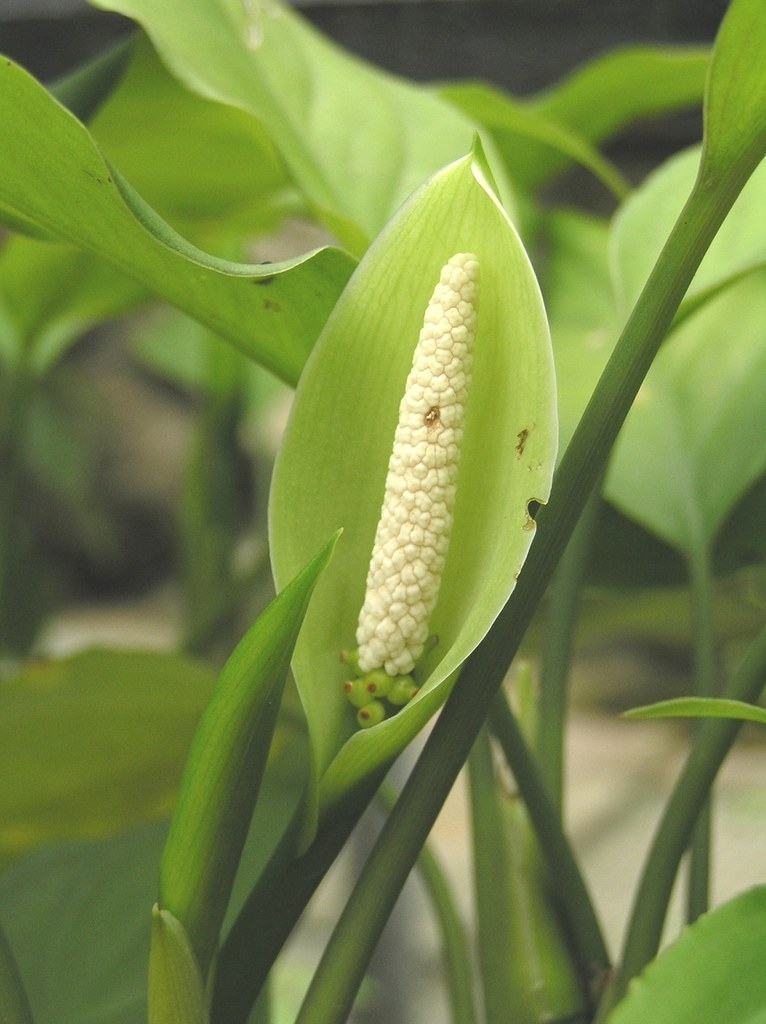
Photograph: 阿橋 HQ · Original source · Creative Commons license. Resized proportionally.
Flowering
A pale spathe encloses the flower-bearing spadix. Berries may follow pollination. Flowering is secondary to foliage quality; remove unwanted spent inflorescences with clean tools.
Propagation and grooming
Divide rooted clumps or root stem cuttings with viable nodes. Keep cuttings warm in an airy, lightly moist medium. Remove declining leaves at the base and clean healthy foliage gently.
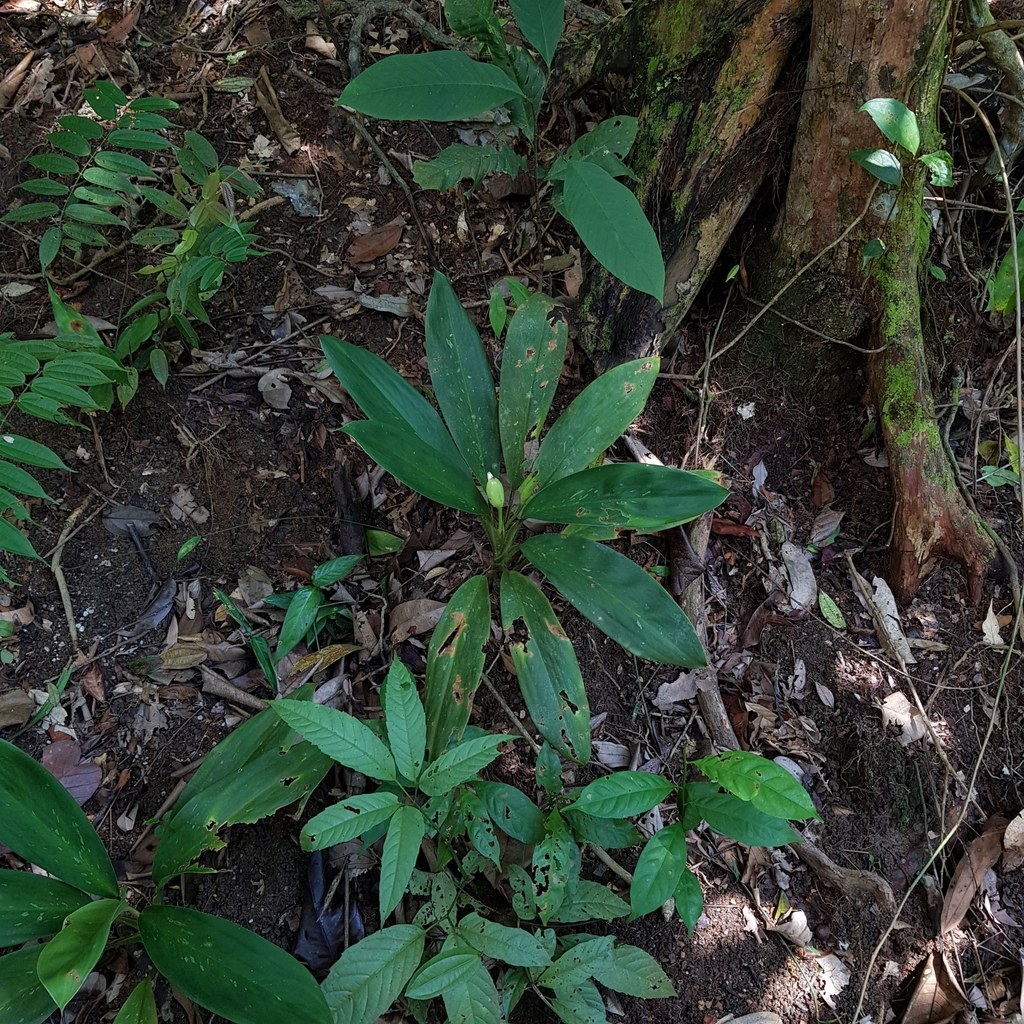
Photograph: pbsg · Original source · CC BY. Resized proportionally.
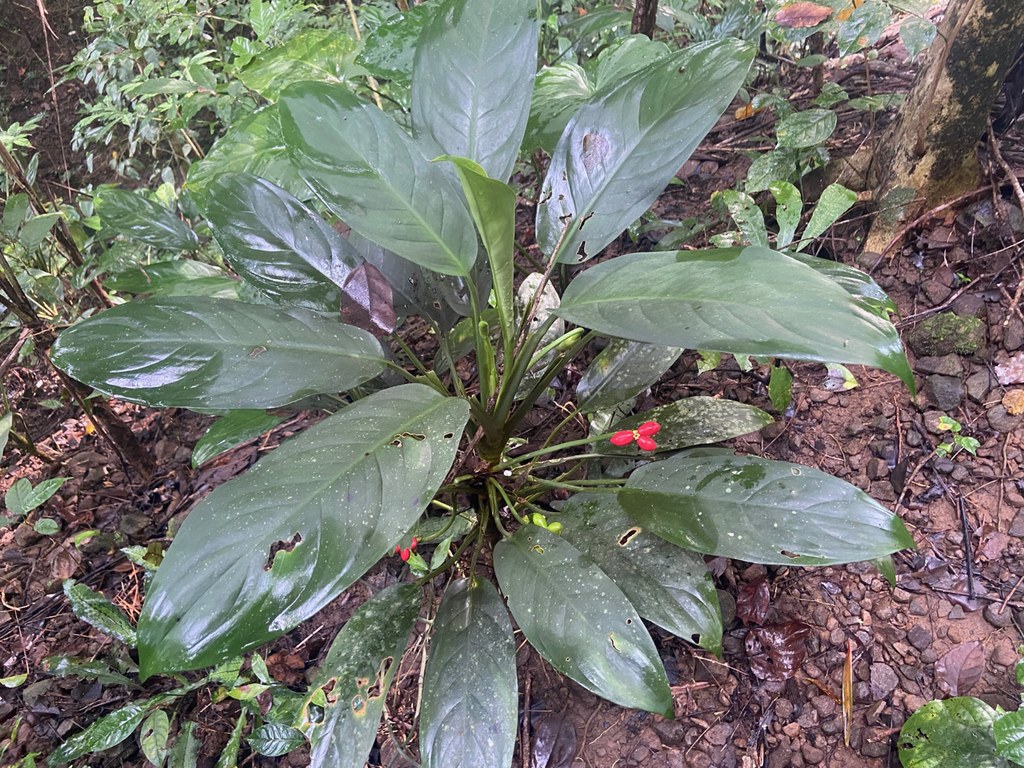
Photograph: Forest Botial-Jarvis · Original source · CC BY. Resized proportionally.
Environment / native habitat
Aglaonema species occur in warm Asian forest environments. Understory light and humid air explain their indoor usefulness, while freely draining roots remain essential. The photographed species are examples, not a habitat claim for every cultivar.
Troubleshooting and seasonal care
Chilling, excess water, concentrated fertilizer, and mites can all damage foliage. Inspect undersides and roots before choosing a remedy. In Indiana, bring summer containers inside before nights become cold.