To understand the care of a plant, understand its native climate and environment.
At a glance
Field | Information |
|---|---|
Tippecanoe County native | No. |
United States native | No. |
Invasive status | No Indiana designation established here; keep as a managed container plant. |
Self-seeding | Limited; successful pollination and germination conditions are needed. |
Edibility and cautions | Not a food plant. Do not substitute it for Aloe; avoid ingestion. |
Identification
Species differ in leaf form and light tolerance. Many plants historically sold as Haworthia are now placed in Haworthiopsis or Tulista; check the actual name before applying species-specific advice.
Care
Use bright filtered light and acclimate gradually to sun. Water thoroughly, drain, and let the root zone dry before watering again. Protect from frost and cold wet conditions. Normal household humidity is adequate.
Full Standard potting mix
General Succulent Standard Mix: 1 part generic potting soil + 1 part granite chicken grit, measured by volume. Blend loosely and use an unobstructed drainage hole. This is the supplied household stock recipe; judge the actual drying behavior in the intended pot.
Feeding and propagation
Use modest fertilizer only during active growth, following the product label. Separate suitable offsets with healthy roots when present; species that do not offset require other methods. Avoid leaving damaged roots in saturated medium.
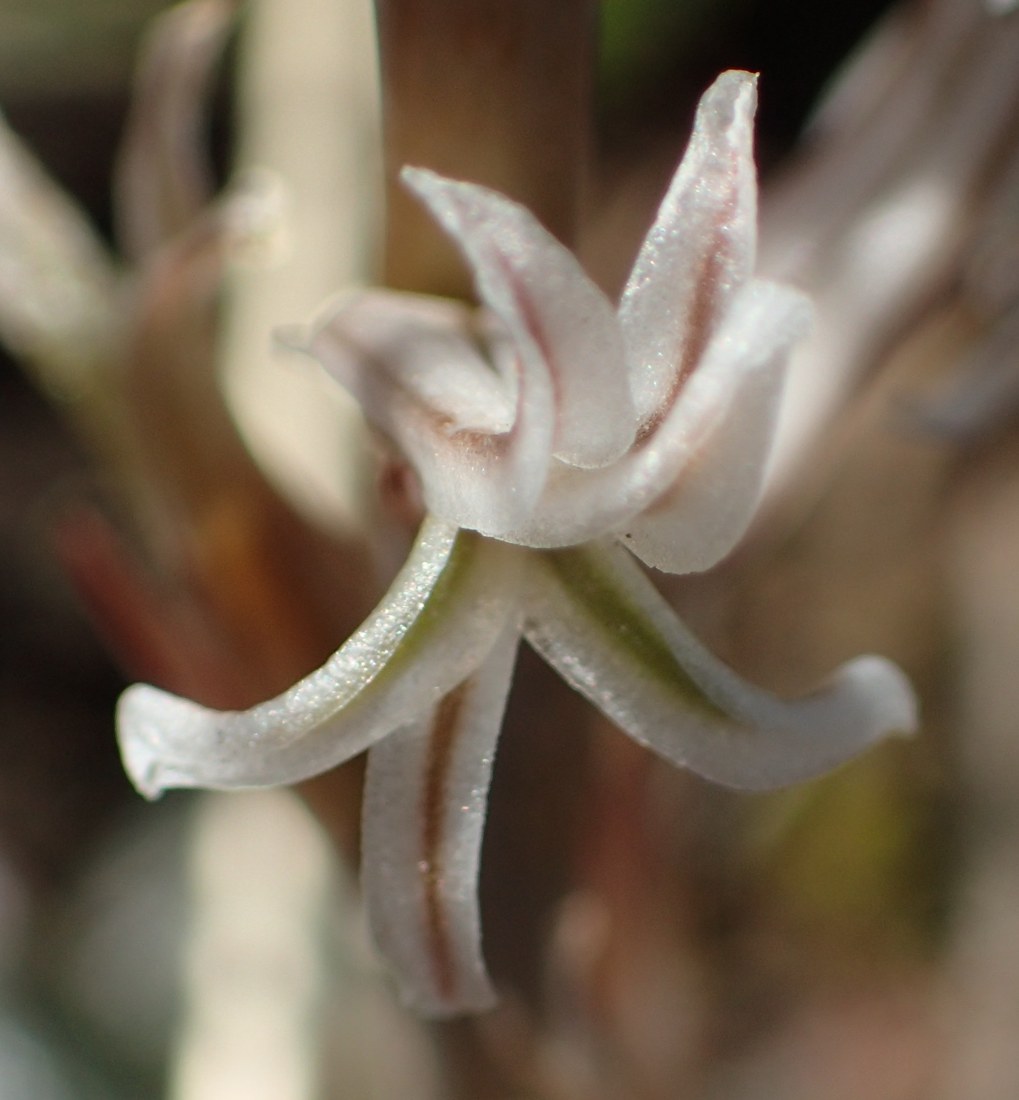
Photograph: Nicola van Berkel · Original source · CC BY-SA 4.0. Resized proportionally.
Flowering
Small pale flowers form on slender stalks. Flowering season varies among species and growing conditions; the photograph shows H. pygmaea flowering in August in South Africa.
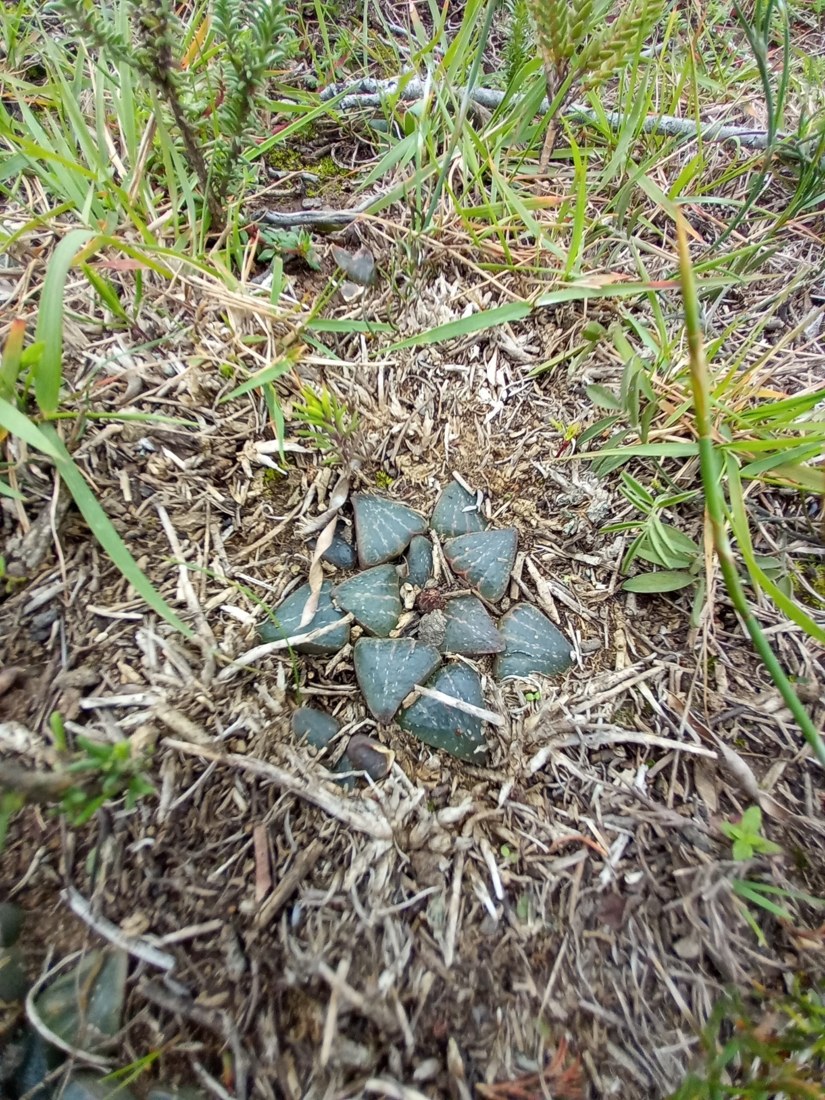
Photograph: Christiaan Viljoen · Original source · CC BY 4.0. Resized proportionally.
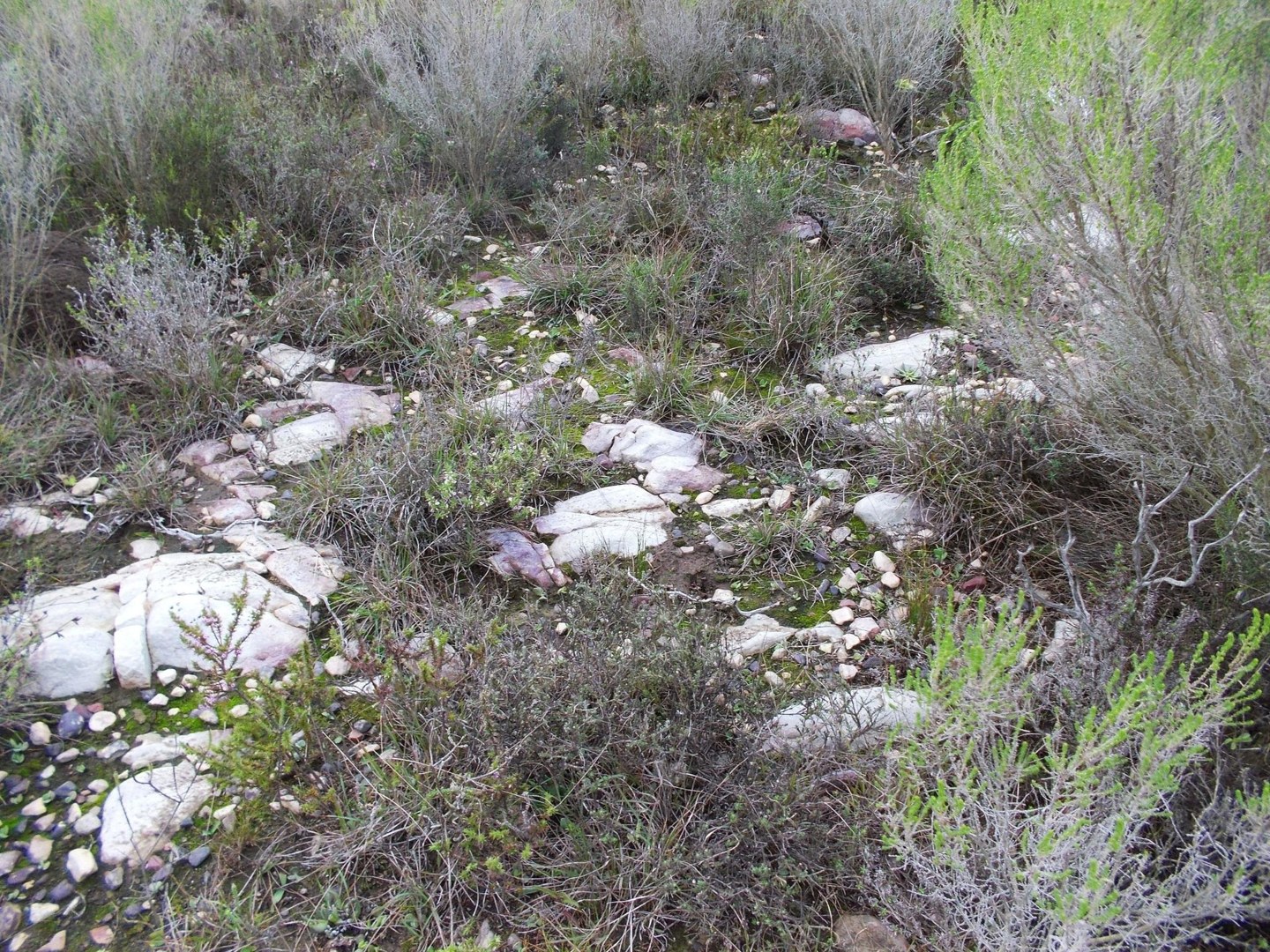
Photograph: Di Turner · Original source · CC0. Resized proportionally.
Environment / native habitat and climate
Native South African species occupy varied rocky microsites, often sheltered by vegetation. Bright filtered exposure and an airy root zone are more useful starting points than assuming every succulent needs uninterrupted desert sun. Species-specific rainfall seasonality must be checked before imposing a rigid winter-watering rule.
Troubleshooting
Inspect for root rot when the plant softens or remains wet too long. Mealybugs can hide between leaves and around roots. A stretched plant needs a light review before extra fertilizer.
Sources and reconstruction note
NC State Extension — Haworthia
The three added photographs are linked to iNaturalist observations 331208660, 231547629 and 10852101, also published through GBIF. All three observation records were research grade and marked wild rather than captive or cultivated when checked on 19 September 2026. The 2013 observer expressed uncertainty about the variety; the species-level habitat caption preserves that limit. These examples do not establish identical conditions for all varieties or species.