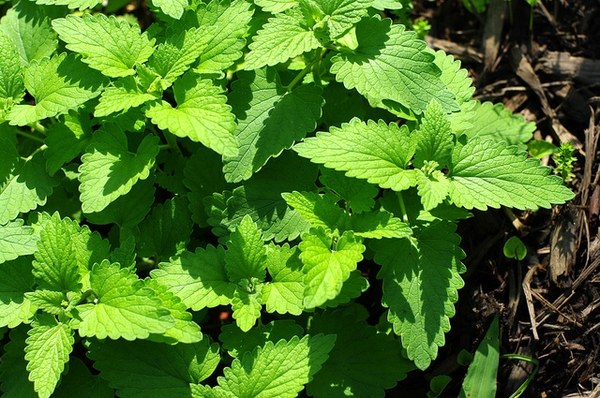
Photograph: Isaac Wedin · Original source · CC BY 2.0. Resized proportionally.
An aromatic, hardy perennial herb with square stems and soft, toothed leaves. Catnip is distinct from the many ornamental catmints sold under other Nepeta names.
To understand the care of a plant, understand its native climate and environment.
At a glance
Field | Information |
|---|---|
U.S. native | No; Eurasian origin. |
Tippecanoe County native | No; introduced species. Presence would not establish nativity. |
Invasive status | Naturalized and capable of becoming weedy. This sheet does not establish an Indiana regulatory designation. |
Self-seeding | Yes, when flowers mature into seed. |
Edibility | Leaves have culinary and tea uses; use correctly identified, untreated plants. |
Cautions | Can cause vomiting or diarrhea in cats when eaten. Protect new plants from rolling cats. |
Light and growing position
Choose sun to light shade and soil that drains freely. Avoid a persistently wet crown.
Standard potting mix
For containers, use Standard Herb and Vegetable Mix: 2 parts generic potting soil, 1 part compost-rich raised-bed or in-ground soil ingredient, and 1 part coarse perlite, measured by volume. Use the compost-rich ingredient only as part of the blend. Lightly moisten dusty ingredients, mix evenly without compression, and use a pot with an open drainage hole. Do not put a gravel layer beneath the mix.
Water and feeding
Water new transplants while they establish. In a pot, check moisture before watering and drain excess water. Avoid heavy fertilization; use a labeled herb fertilizer only when growth and the existing nutrient supply justify it.
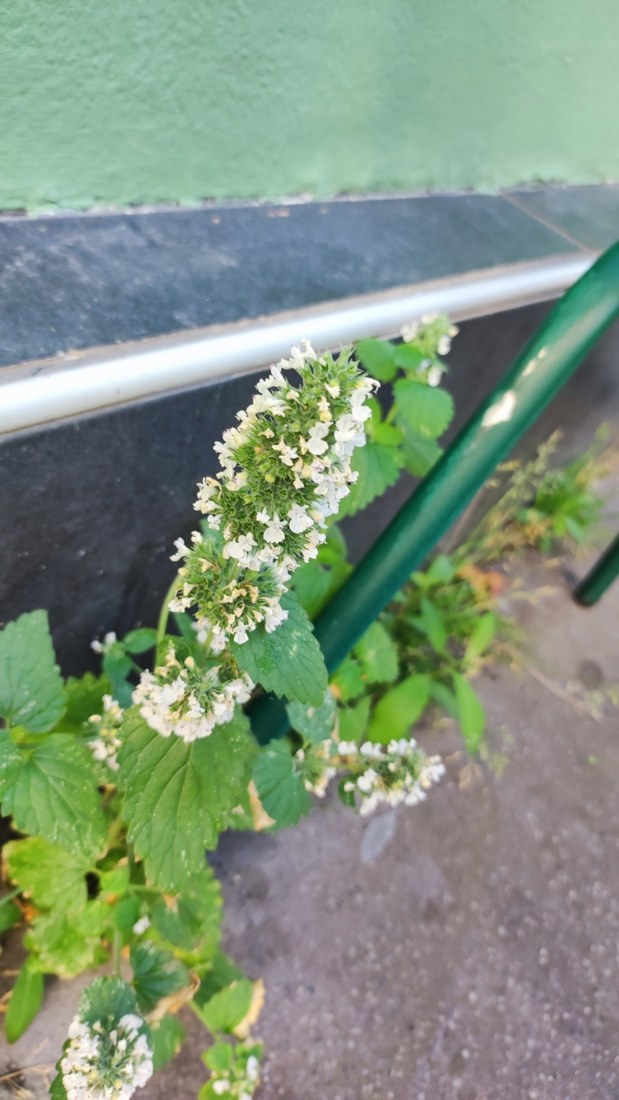
Photograph: Catnip flowering spike, Pays de la Loire, France, 2024-08-08. Identification · Original source · Creative Commons license. Resized proportionally.
Flowering
Small whitish to pale purple, spotted flowers appear in clusters and attract visiting insects. Cut spent flower stems before seed matures if volunteers are unwanted.
Propagation and grooming
Grow from seed, divisions, or cuttings. Trim after flowering to manage size and encourage fresh foliage. Remove seedlings outside the intended bed.
Seed germination and light: Seeds need light to germinate. Press seed onto damp seed-starting mix; leave exposed or add only the finest dusting of sifted medium. Keep evenly moist and avoid deep burial. This guidance is for Nepeta cataria, not every ornamental catmint.
Germination source: San Diego Seed Company, Organic Catnip Seeds, grower sowing guidance. Checked 2026-09-21.
Watch germination
Watch catnip develop from seed through flowering. The film compresses 56 days of growth into about 1 minute 35 seconds.
Watch the germination time-lapse
Growing Catnip Time Lapse - Seed To Flower In 56 Days
Creator: Boxlapse. Link checked 2026-09-21.
The 56 days cover the filmed growth sequence, not the time needed for a seed to germinate. Filming conditions affect growth; a time-lapse alone does not establish whether light is required for germination.
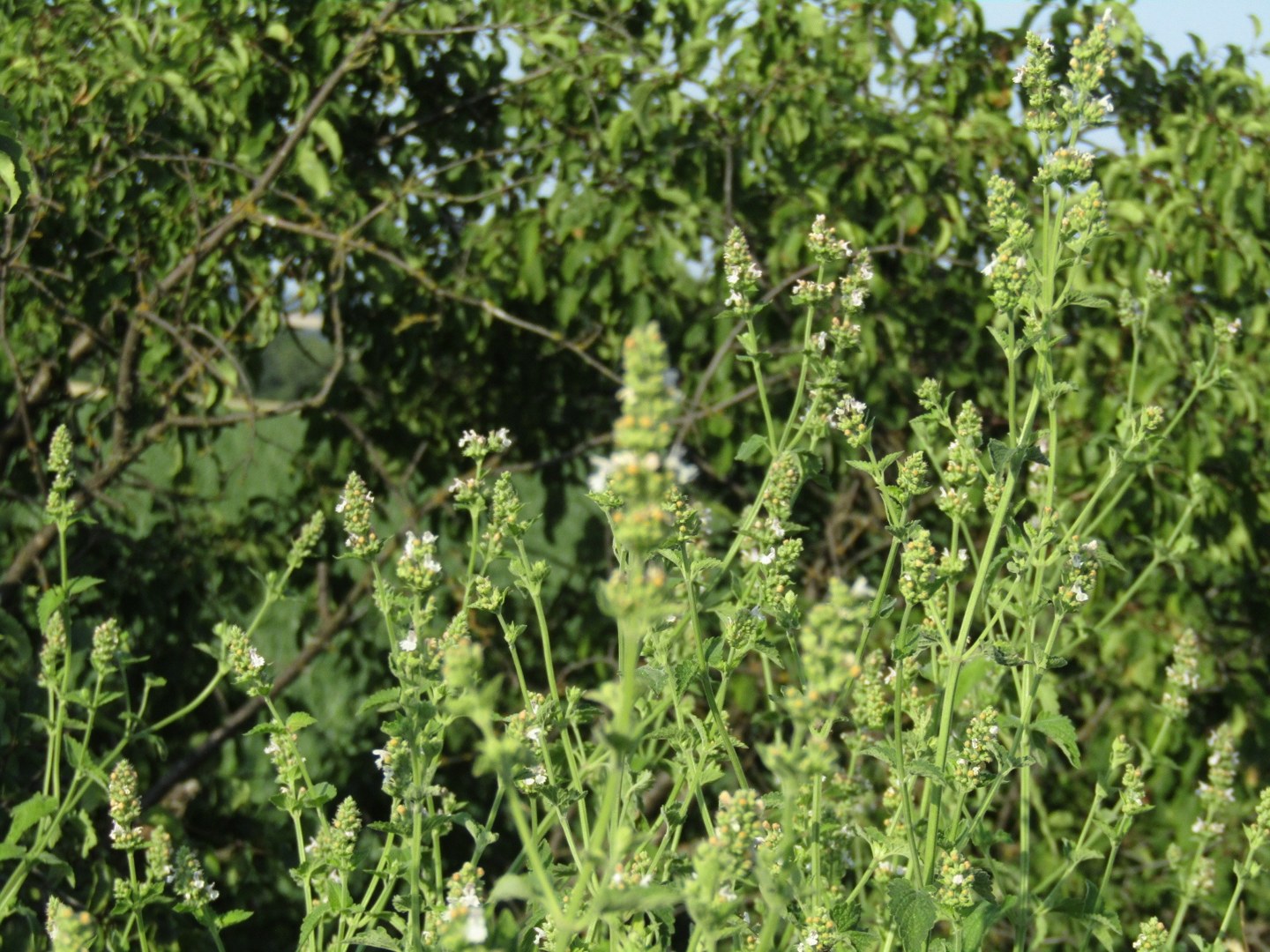
Photograph: Oleksandr Shynder · Original source · CC BY 4.0. Resized proportionally.
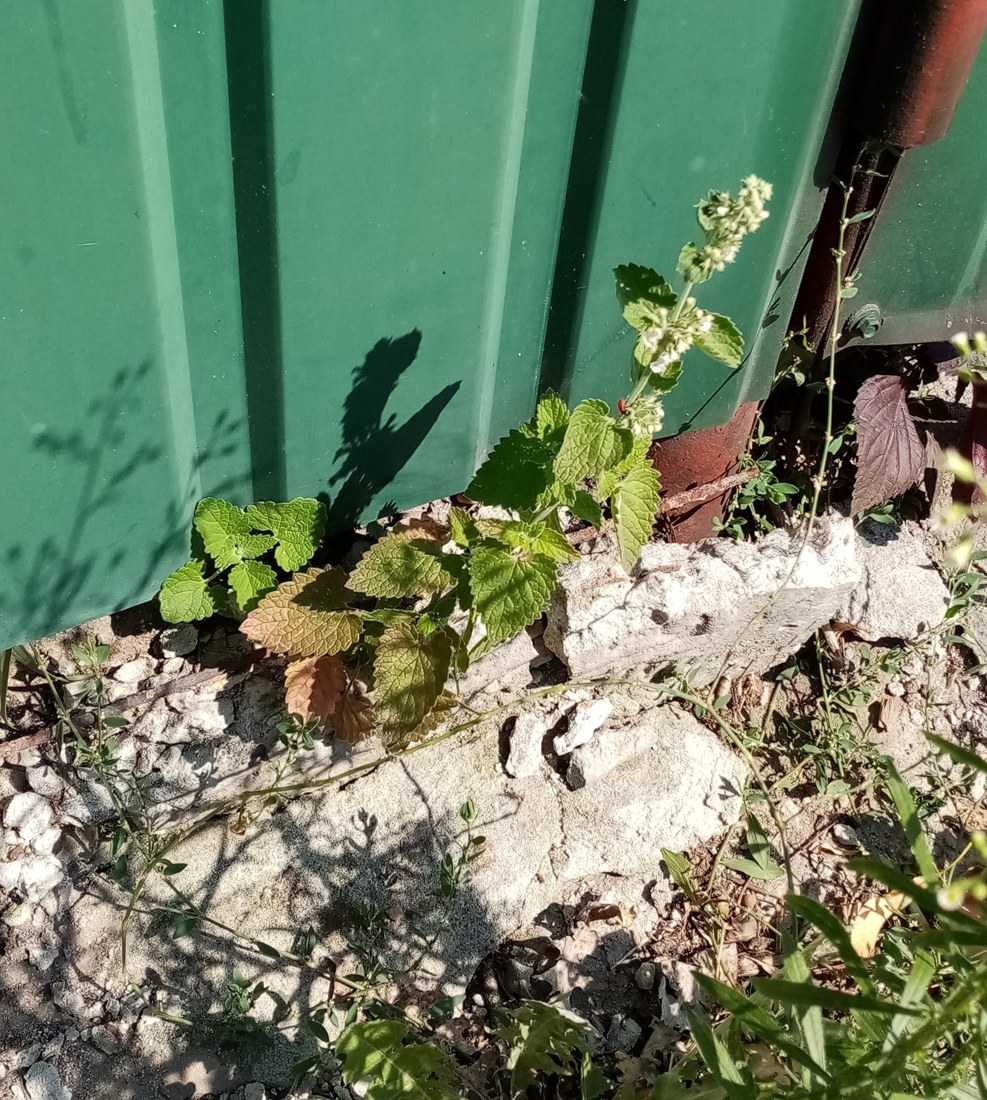
Photograph: Oleksandr Shynder · Original source · CC BY 4.0. Resized proportionally.
Environment / native habitat
Native to Europe and Asia; commonly occupies open, disturbed ground. Its preference for light and drainage explains why a sunny herb bed usually suits it better than a damp indoor corner.
Seasonal care and troubleshooting
Expect winter dieback outdoors and renewed spring growth. Weak, stretched stems suggest inadequate light; persistent wetness warrants checking drainage before adding fertilizer. Keep harvested leaves separate from pesticide-treated ornamental plants.
Sources and further reading
University of Wisconsin Extension — Catnip, Nepeta cataria
NC State Extension Plant Toolbox — Nepeta cataria
iNaturalist observations 206920769 and 142237020, also published through GBIF, identify Nepeta cataria and were research grade and marked wild on 19 September 2026. Wisconsin Extension describes its Eurasian native range and use of disturbed ground. The photographs document occupied habitats in that broad region; neither record establishes the historical origin of its local population.